How to Do Amsterdam Without Doing Amsterdam
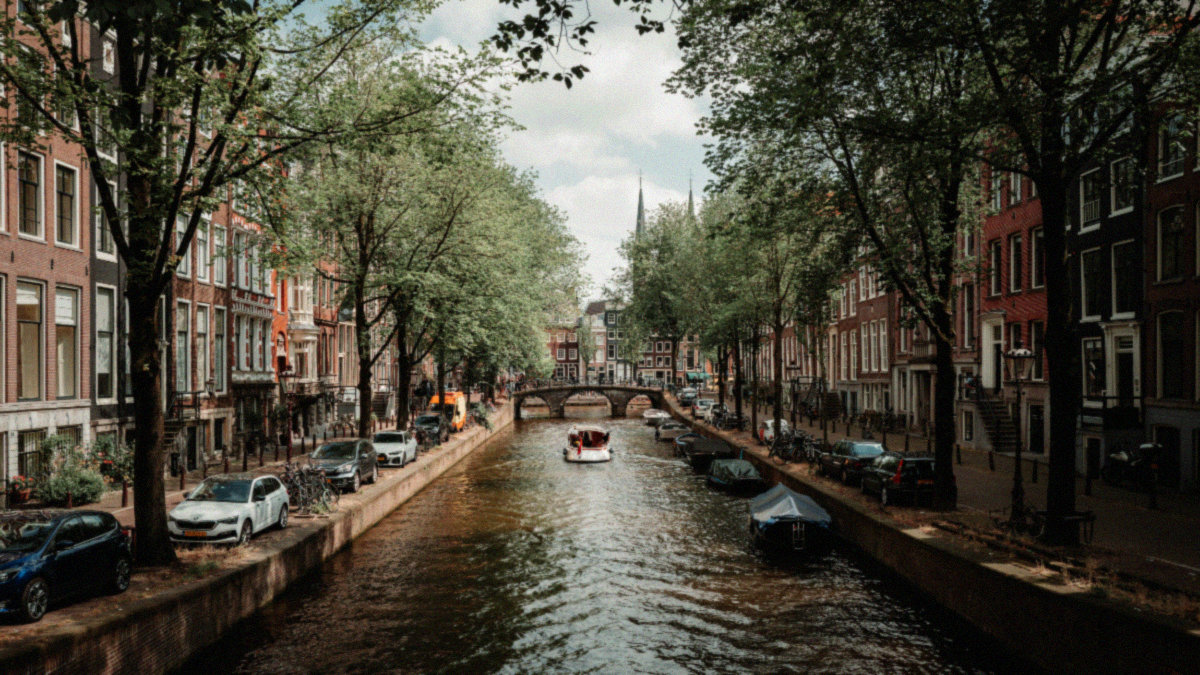
Everyone knows the postcard. The crooked canal houses, the bike-clogged bridges, the Anne Frank House queue snaking two hours down the street. Amsterdam is one of Europe’s most visited cities, and it shows; at peak hours, the Jordaan feels less like a neighbourhood and more like a slow-moving river of selfie sticks.
But here’s the thing: Amsterdam is also genuinely one of Europe’s most liveable, most interesting, most surprisingly quiet cities. You just have to know where the seam is.
Leave the Centre to the Tourists
The Grachtengordel, the ring of concentric canals in the city centre, is beautiful. We are not going to pretend otherwise. But you do not need to stay there, and you definitely do not need to eat there. Prices are tourist-inflated, every third business is a waffle shop, and you will spend half your time navigating around guided tour groups.
Spend thirty minutes in the centre if you like the view. Then leave.
Oost: Where Amsterdam Actually Eats
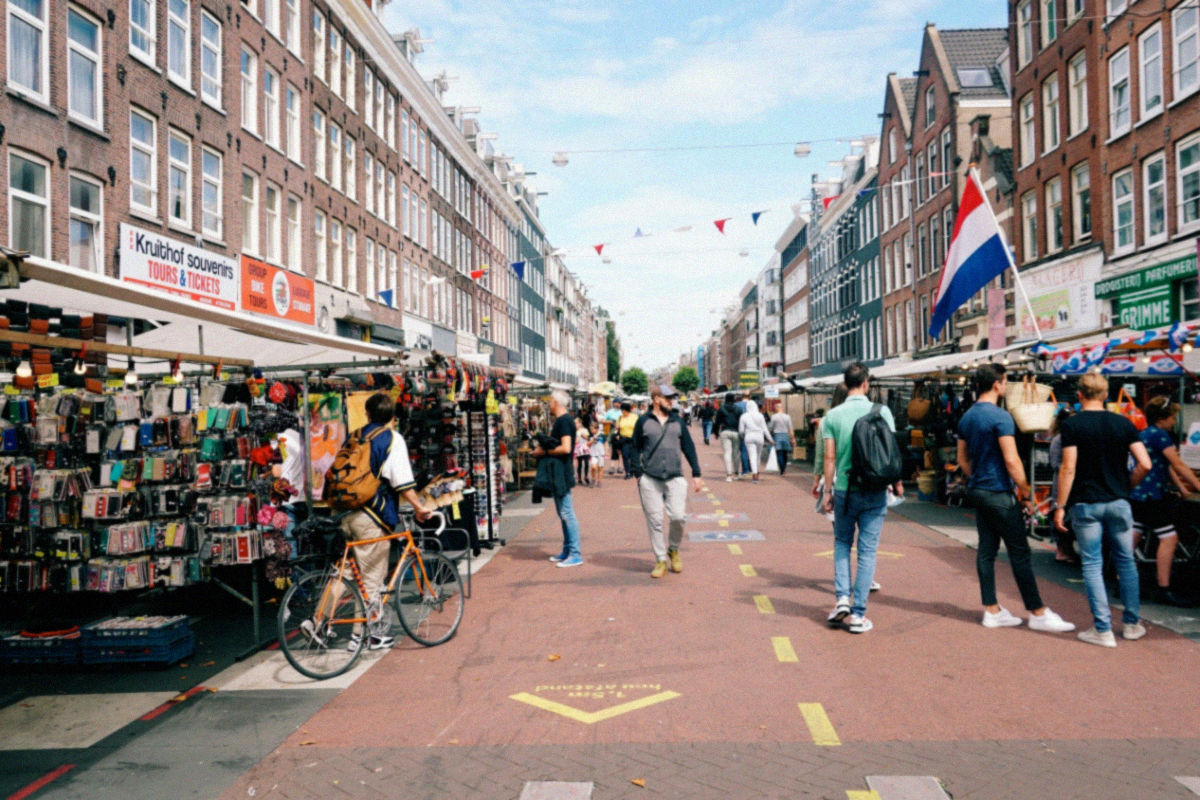
Albert Cuyp market in De Pijp gets the press, but if you want to eat where locals actually live, head east. Javastraat in the Indische Buurt is the city’s real culinary spine: Surinamese rotis, Turkish bakeries, and small specialty grocers sit side-by-side with independent coffee roasters.
If you want the afternoon to stretch out, follow Javastraat past the end of the shops into Flevopark. Tucked into a nineteenth-century former pump house on a pond is ‘t Nieuwe Diep. It is a local jenever distillery that serves over a hundred house-made spirits on a terrace right on the water. Doors close by early evening; this is where an Amsterdam afternoon ends, not where the night starts.

Noord: Converted Shipyards and Concrete Nightlife
Ten years ago, Amsterdam Noord was a post-industrial shipyard across the IJ river. Now it is where the city’s best creative energy is kept.
Take the free ferry from Centraal Station (which runs all night, indicating the neighbourhood’s rhythm). On the other side is the NDSM Wharf: a cavernous former shipyard turned into artist studios, exhibition spaces, and the monthly IJ-Hallen flea market, which is Europe’s largest.
For a night out, head to the Hamerkwartier district. You can grab a craft beer at Oedipus Brewing (which houses community radio station Echobox) and walk around the corner to Skatecafé, where you eat dinner right next to a working skate ramp before the room transitions into a club at midnight.
The ferry journey itself is short and free: three minutes across black water with the city skyline behind you. It is the best view in Amsterdam.
West: The Free State and Green Parks
Oud-West sits between the Jordaan and Vondelpark, serving as the local residential anchor. But if you want to see the creative fringe of Amsterdam West, cycle out to Ruigoord.
Ruigoord is a squatters-turned-artists village in the western port. Squatted in the seventies to save it from demolition, it remains a self-governing enclave of studios, sculpture gardens, and experimental parties in a deconsecrated church. It is a twenty-minute ride out of the city through the industrial docks, and it feels completely removed from the manicured canals of the centre.
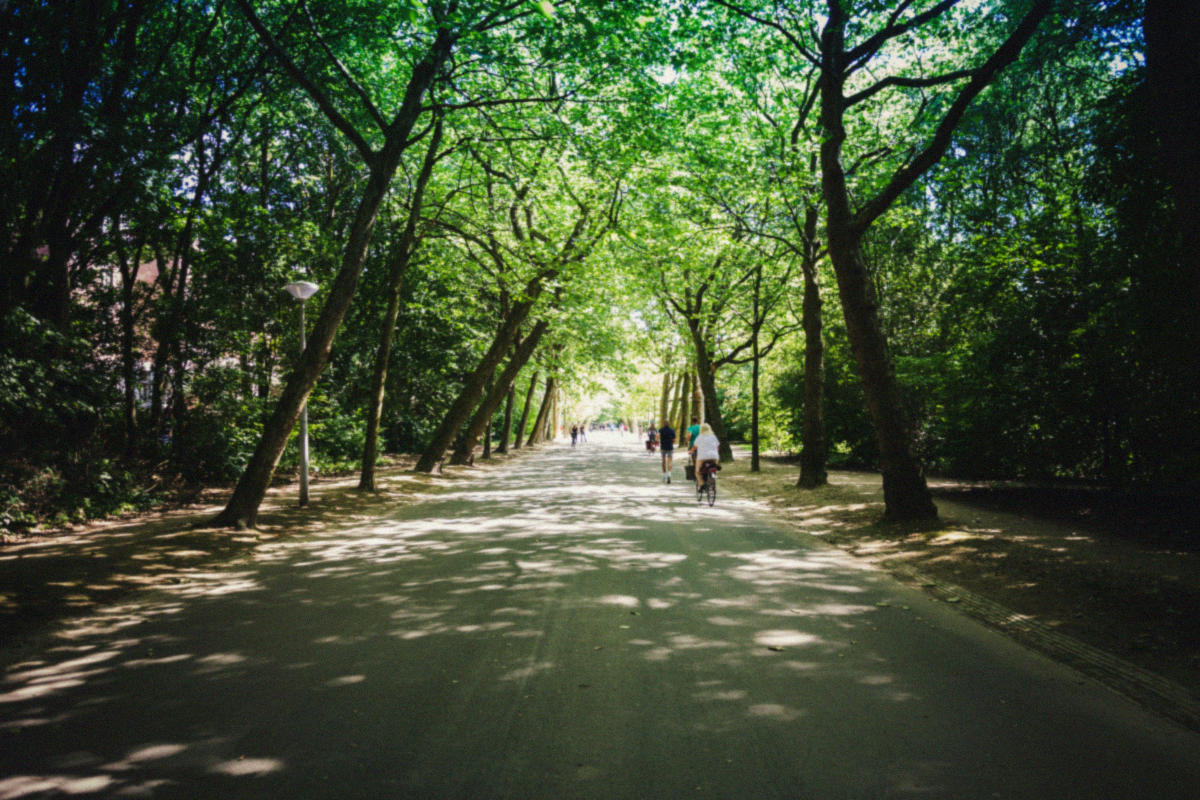
If the weather holds, Vondelpark is worth a morning stroll, but Western locals often prefer Westerpark for its spacious lawns and lack of tour groups.
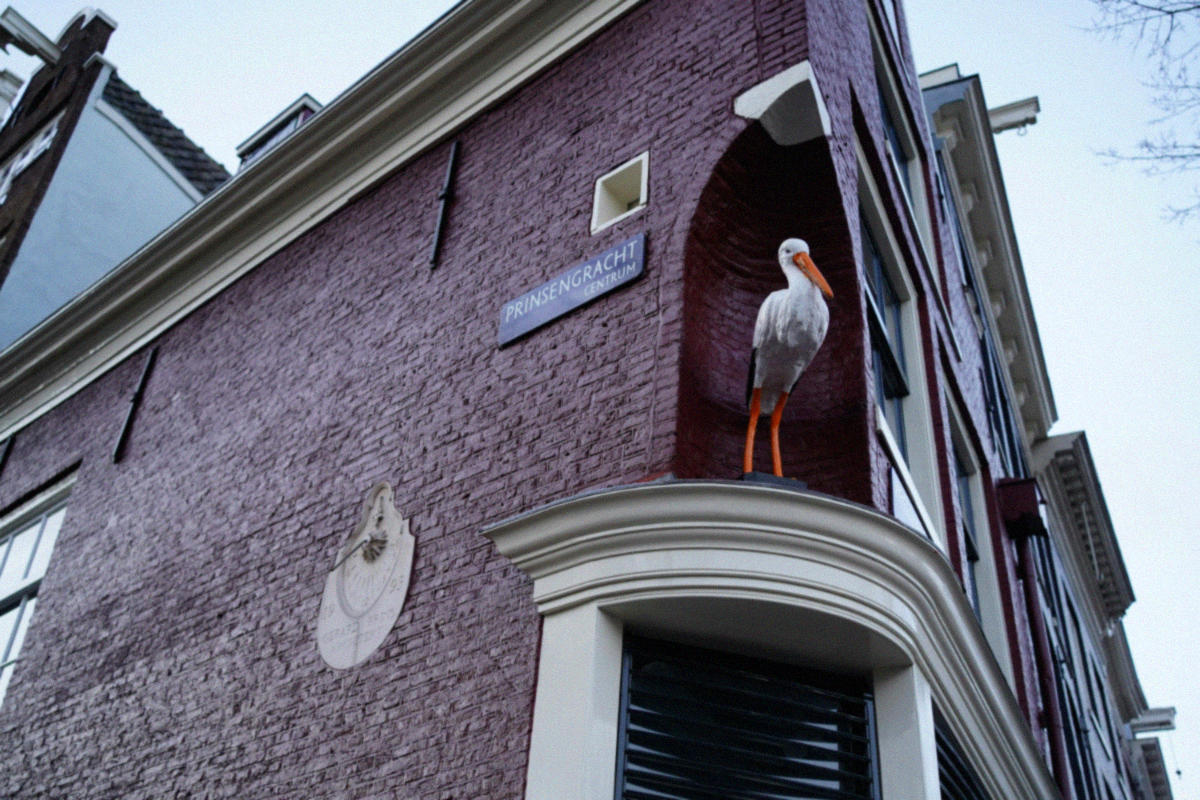
The Canal Belt: One Walk, Done Right
If you want the iconic canal experience (and you should, it genuinely is beautiful), do the Prinsengracht walk at 7am or after 9pm. Before the tour boats start. In the early morning, the light on the water is extraordinary, the bridges are quiet, and you will have long stretches entirely to yourself.
This is the Amsterdam that justifies its reputation. You just have to catch it before the crowd arrives.
A Few Practical Notes
Bikes are not optional. Rent one on day one. Walking Amsterdam is slow and you will spend the whole trip feeling slightly wrong about the pace. The bike infrastructure is genuinely astonishing: even cautious cyclists find their confidence within an hour.
The museums are worth it, and the queues are not. Book the Rijksmuseum, the Van Gogh, the Stedelijk (all of them) in advance online. The queues you see outside are for people who did not.
Dutch directness is real and it is a feature, not a bug. If you ask for a recommendation, you’ll get an honest one. Ask at a shop you like or talk to a local at the next table. The locals know where the good stuff is, and they will tell you.
The city you have imagined and the city that exists are not far apart. They just do not overlap at the Heineken Experience.
Amsterdam rewards the curious traveller who gets slightly lost in the right direction. That has always been true. It is just that the tourist infrastructure has made it easier to avoid doing that, which is exactly why you shouldn’t.