The Best European Cities for a Food-First City Break
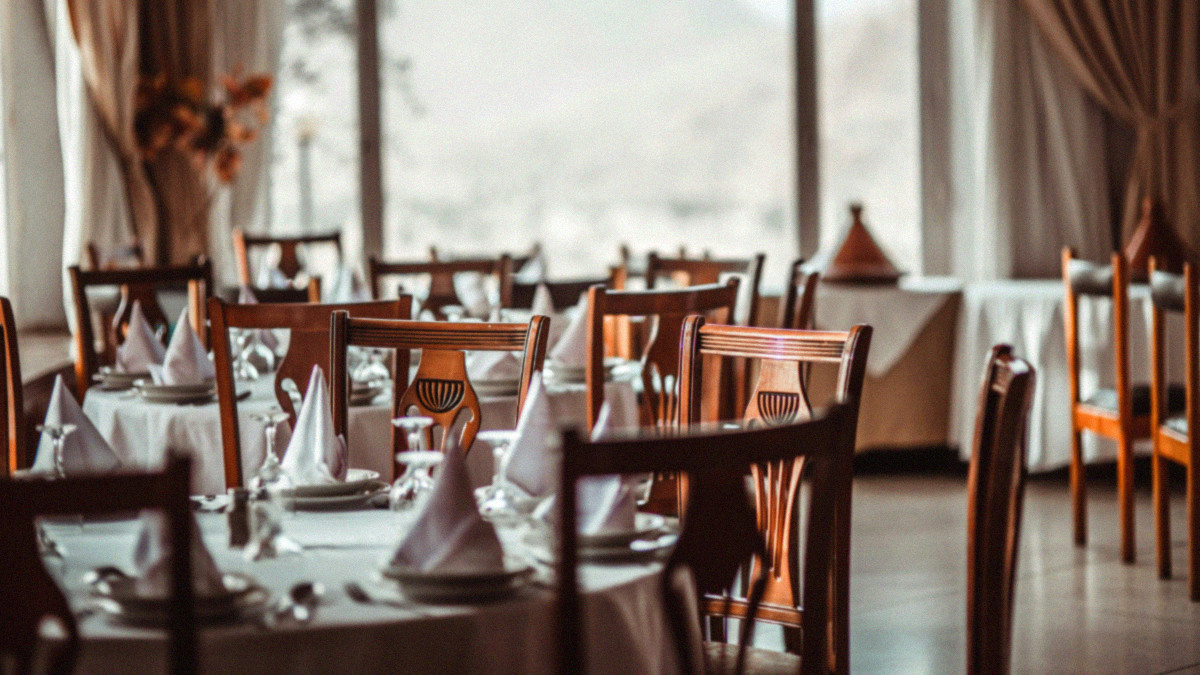
Most city breaks are sold on sights. The Rijksmuseum, the old town, the cathedral, the viewpoint. But the trips that stay with you, the ones you actually talk about three years later, are more often remembered for meals. The specific table, the specific dish, the specific combination of light and wine and unhurriedness that made it feel like the point of the whole thing.
Planning a trip around food first is not a niche interest. It is a different way of prioritising. The art gets fitted around the meals, not the other way around. These are the European cities where that logic holds.
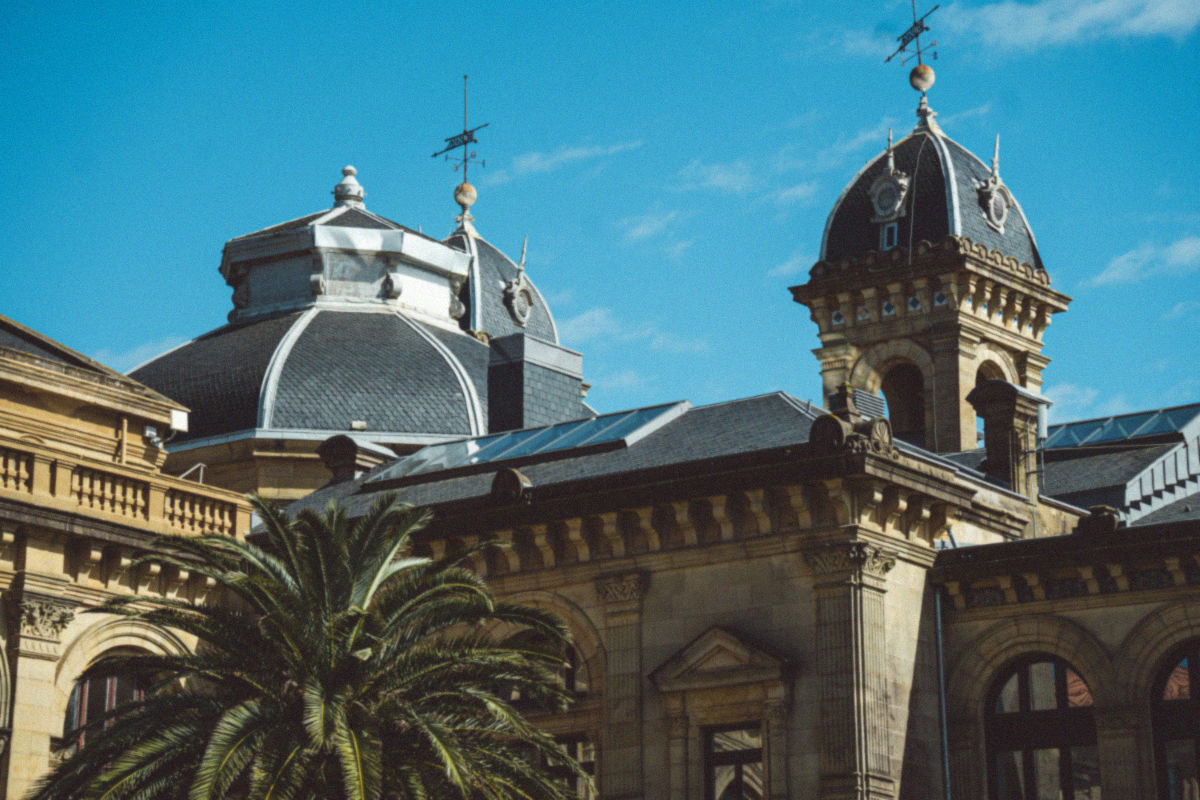
San Sebastián: The Benchmark
Go here once to calibrate everything else. San Sebastián has more Michelin stars per capita than any other city on earth. That fact is widely cited and somewhat misleading: the high-end restaurants are extraordinary, but the point of a trip here is pintxos in the Parte Vieja, not a tasting menu.
The old quarter’s bar circuit works like this: you move between small bars, you eat what’s on the counter or order from the blackboard, you drink txakoli or a glass of red, you move on. It is not a tourist format. It is how locals eat most evenings, and the quality floor is high enough that you can walk into almost any bar on Calle 31 de Agosto or Fermín Calbetón without doing advance research.
The broader Basque food culture, heavy on good produce, technically serious, and unpretentious, makes this the right first reference point for European food travel. Everything else is measured against it.
Lyon: The Overlooked Capital
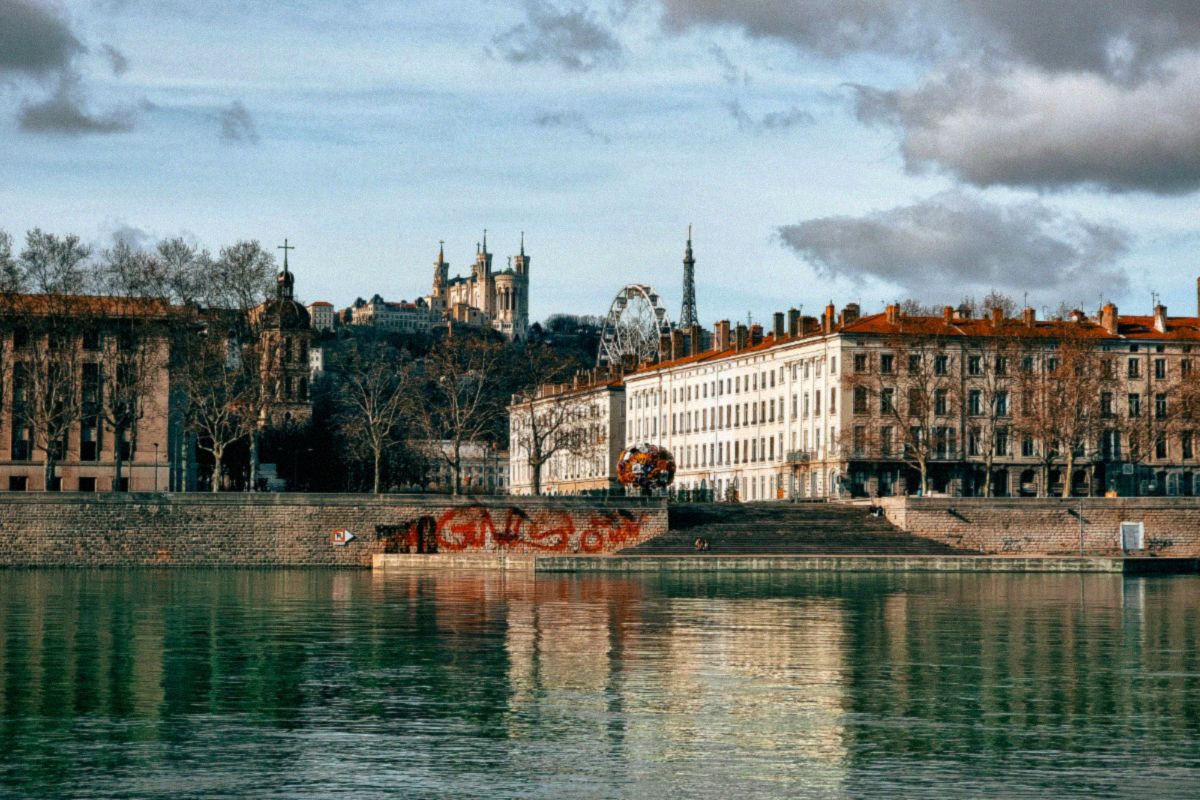
Paul Bocuse was from here. The bouchon, small, fixed-menu, unpretentious, and filling, is a specifically Lyonnais institution: tablier de sapeur, quenelles, andouillette, tête de veau. The cooking is old-fashioned in the best sense: produce-driven, technically straightforward, not trying to impress.
English-language travel media undercovers Lyon consistently. It is three hours south of Paris by TGV, it has a UNESCO-listed old quarter, and Les Halles de Lyon Paul Bocuse is one of the great covered markets in Europe: two floors of charcuterie, cheese, seafood, pastry, and the kind of wine shop that requires a considered exit strategy.
The claim that Lyon is the actual gastronomic capital of Europe is an old argument and still a reasonable one. The fact that it’s not the first city most people mention when discussing European food trips is partly the underdog position and partly that it doesn’t photograph as well as the alternatives. Neither of those things affects what’s on the plate.
Porto: The Rising One
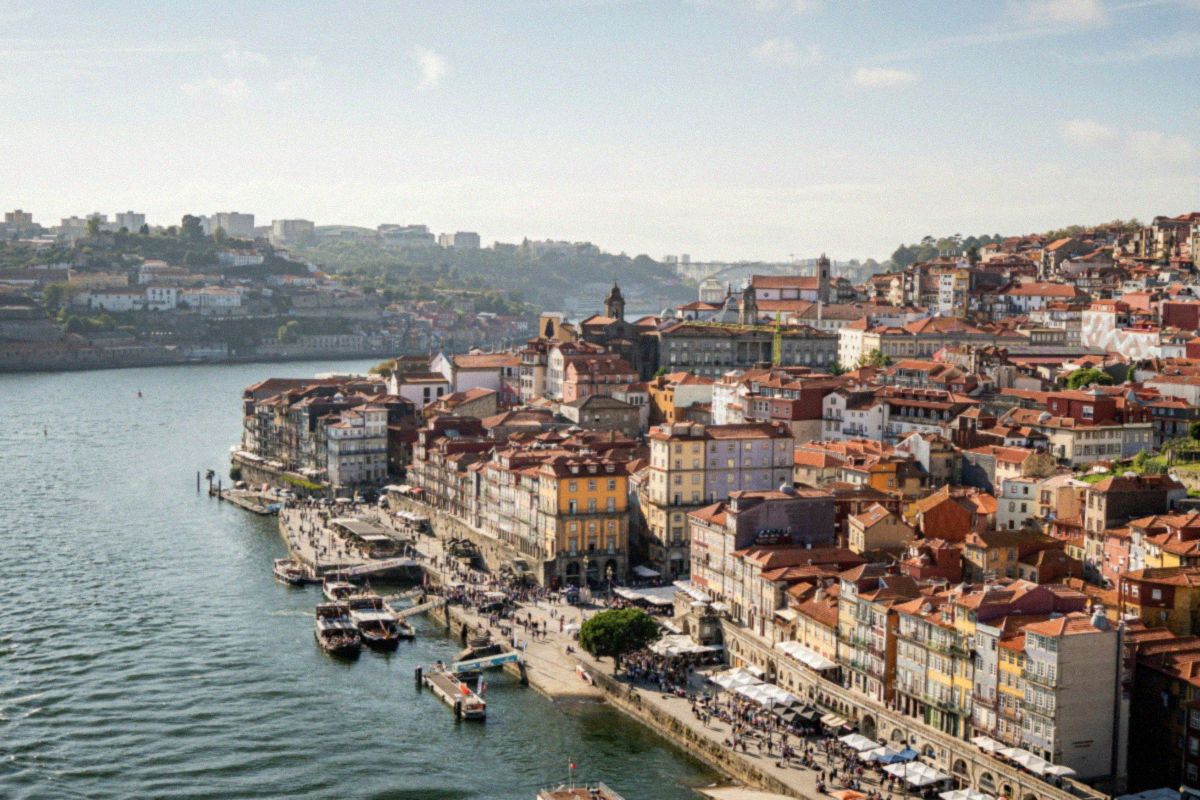
The running joke is that Portugal has 365 ways to prepare bacalhau, one for each day of the year. The actual number is higher than that. The more useful observation is that a city built on salt cod, sardines, and cured pork, with a wine region an hour inland, has accumulated a food culture over several centuries that is distinct, consistent, and currently being taken seriously by the right people.
Tascas are neighbourhood lunch spots: a fixed-price menu, a couple of options, wine by the jug, change from €15. The Mercado do Bolhão, renovated in 2022, is the right place for an hour on a Saturday morning. Pastéis de nata are better in Lisbon but perfectly acceptable in Porto. And Douro Valley wine consumed anywhere else costs roughly twice what it does at source.
Porto has become one of Europe’s most popular city break destinations in the last few years. The food is a significant part of the reason.
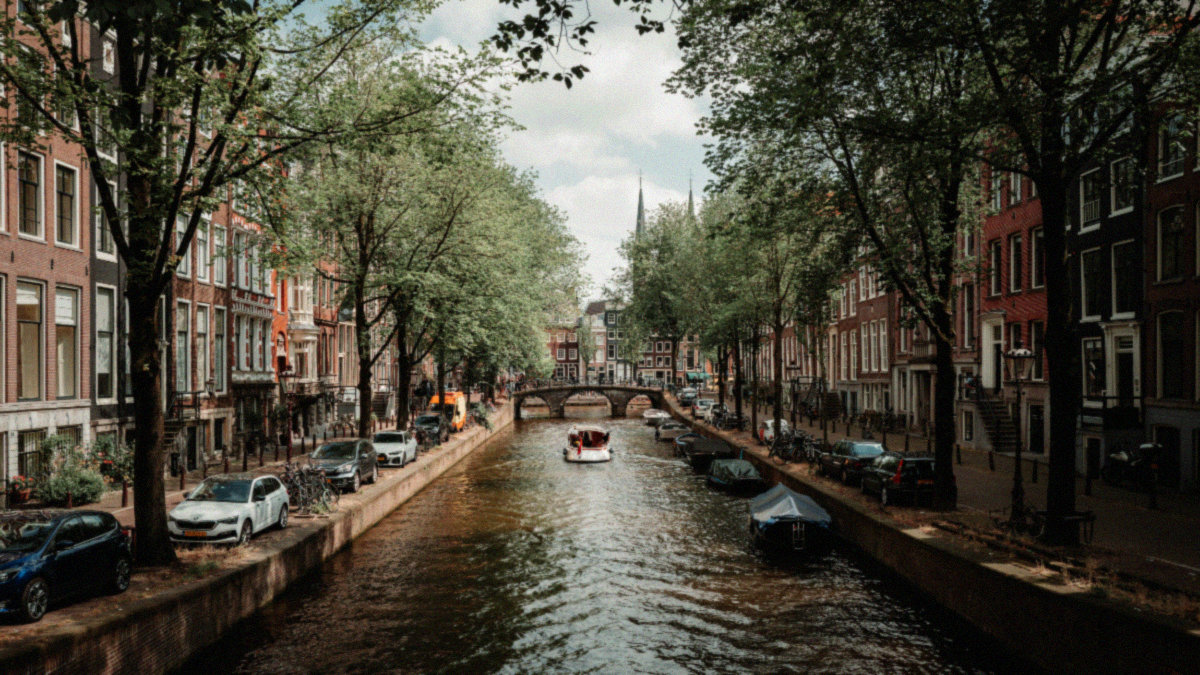
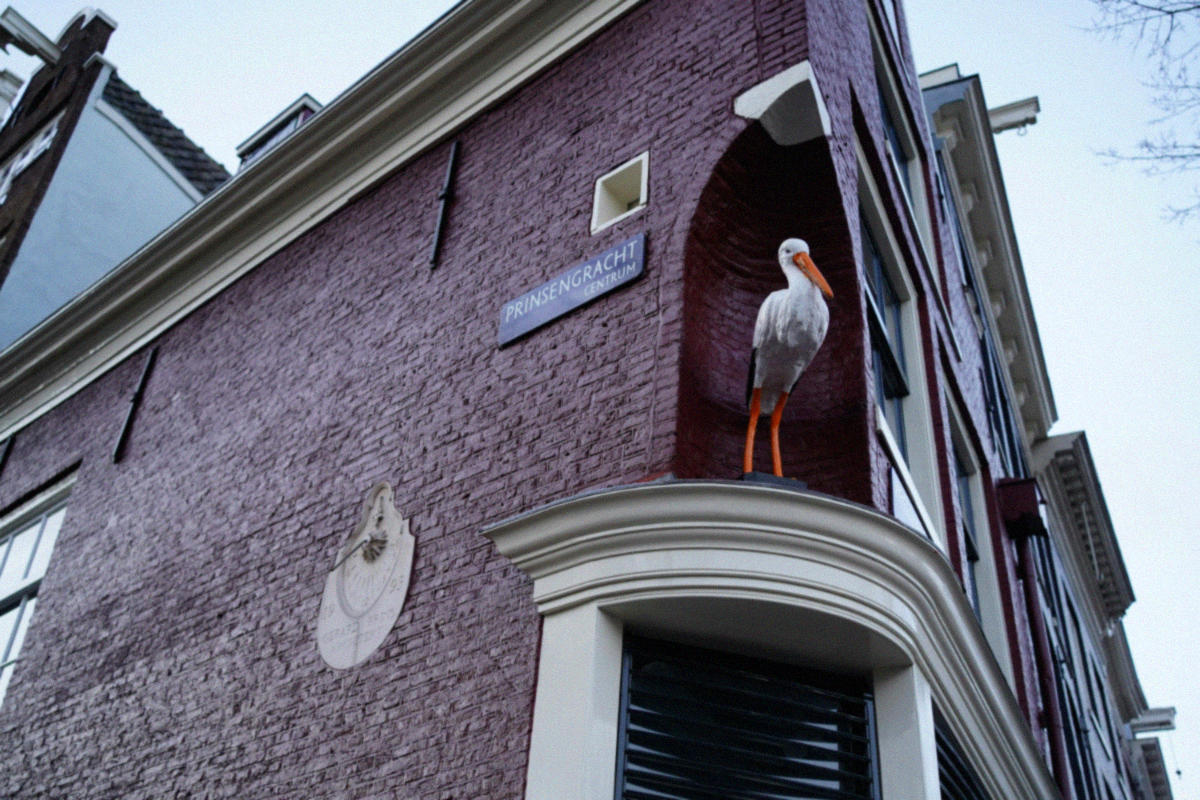
Amsterdam: The Underrated One
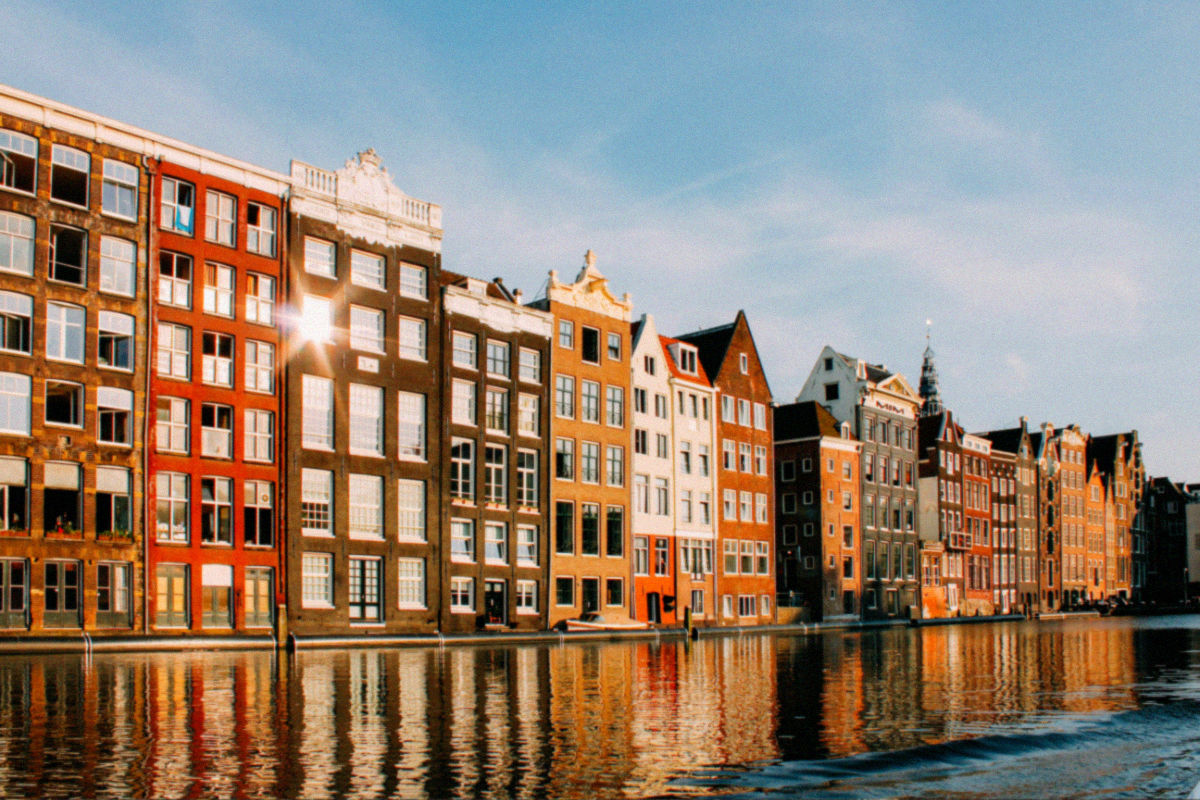
The Dutch food reputation is bad and outdated. The argument against Amsterdam as a food destination is based on a version of the city that has not been accurate for at least fifteen years.
The more interesting argument for it is not Dutch food specifically, though Dutch cheese, herring, and stroopwafels are all defended without difficulty. It is Indonesian and Surinamese food as a genuine differentiator.
Amsterdam was a colonial port, and the food cultures that came through it stayed. Grab a Surinamese broodje pom from a local toko on Javastraat in Oost, or sit down for a massive Indonesian rijsttafel at a neighbourhood spot in De Baarsjes. It is a specific culinary tradition with deep roots in Amsterdam that you will not find executed at the same level elsewhere in Europe.
Helsinki: The Nordic Surprise
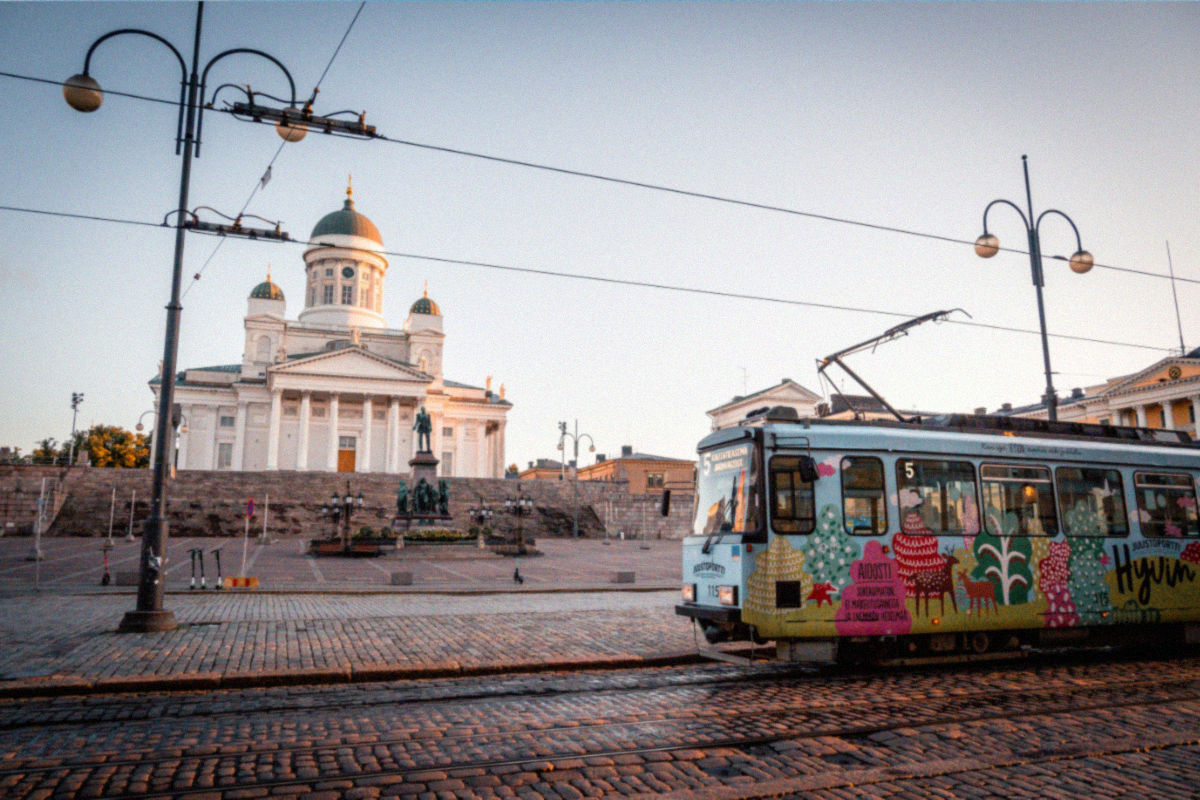
Scandinavian food has had an image problem: expensive, stark, and heavy on fermentation. But the last decade has resolved this, and Helsinki is the most accessible entry point to what Nordic cooking has actually become.
Start your morning with filter coffee and a cardamom bun at Hakaniemi Market Hall, sitting next to local pensioners reading the morning paper. In summer, grab a city bike and follow the coast out to Jollas for wood-fired pizza takeaway from Fornitaly, eating your slice on the granite rocks right by the sea.
At the high end, New Nordic cooking in Helsinki (seasonal, produce-forward, and technically careful) is available at a tier below Copenhagen prices with roughly the same quality. The restaurant scene has developed quietly over the last decade and is now genuinely good. The city’s food culture rewards a longer stay than most people give it.
The difference between a good food trip and a great one is usually advance research and one or two reservations made before you arrive. Knowing which neighbourhood actually eats well matters more than knowing which restaurant has the most Instagram presence. That is the kind of curation Sotto is built around: if Amsterdam, Rotterdam, or Helsinki are on your list, see how it works.