Rotterdam vs Amsterdam: Which Is Worth Visiting?
Amsterdam has a problem it does not talk about. It is one of the most beautiful cities in Europe and one of the most difficult to actually enjoy. The canals are real; so is the shoulder-to-shoulder crush on the Damrak, the €22 museum cocktails, the hostel groups blocking the bridges at midnight, and the sensation that you are moving through a very expensive queue rather than a city.
Rotterdam is two hours south by train. It costs less, crowds less, and has architecture that Amsterdam, for all its charm, simply cannot match. The case for going there instead is not complicated.
Is Rotterdam Worth Visiting?
Yes, with one honest caveat. If what you want is gabled canal houses and centuries of old-world charm, Rotterdam is not that city; the historic centre did not survive the war. But if you want somewhere that feels genuinely alive, with bolder architecture, a more interesting food scene, far fewer crowds, and prices that mass tourism has not inflated, Rotterdam is one of the most rewarding weekends in the Netherlands right now. Two days is plenty. Here is the case, point by point.
The Numbers First
A weekend in Amsterdam means competing for rooms that cost serious money for what you get. Rotterdam’s hotel market is calmer and its prices reflect it. The restaurants are cheaper by a meaningful margin: not because the quality is lower, but because they are not in a city running on tourism inflation.
The Thalys and Intercity trains from Amsterdam Centraal to Rotterdam Centraal run constantly. Forty minutes if you’re on an express. Less than €20 if you book ahead. The point is: the commute is not the obstacle it sounds like.
The Architecture Is the Point
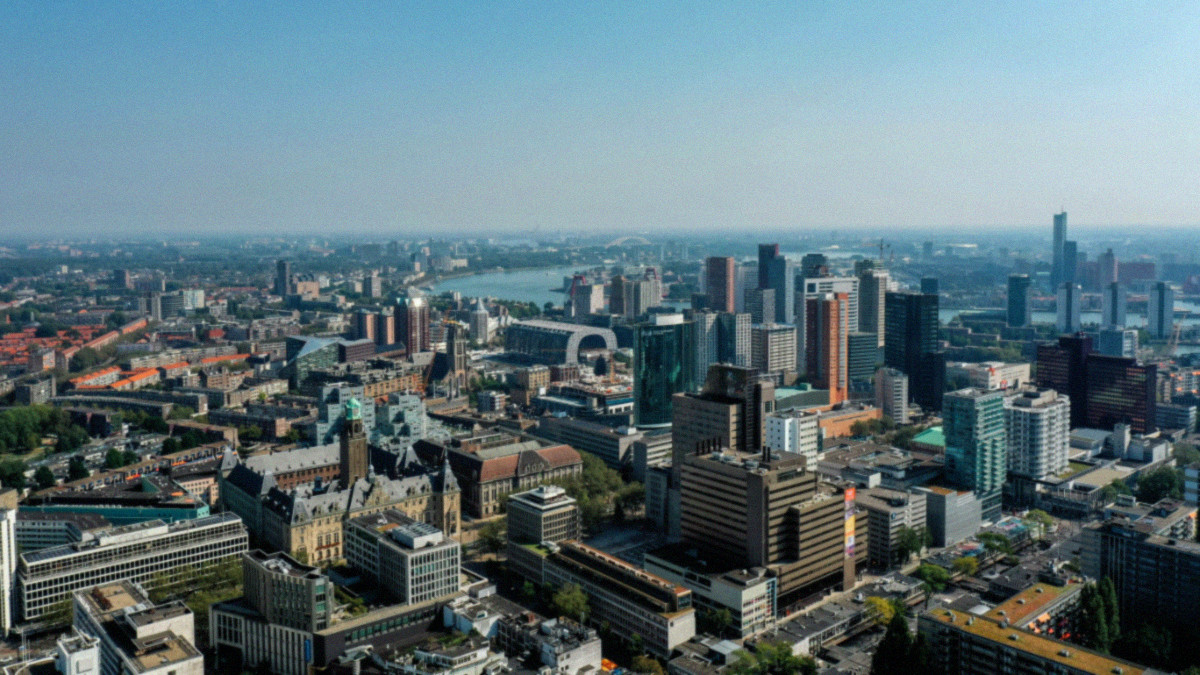
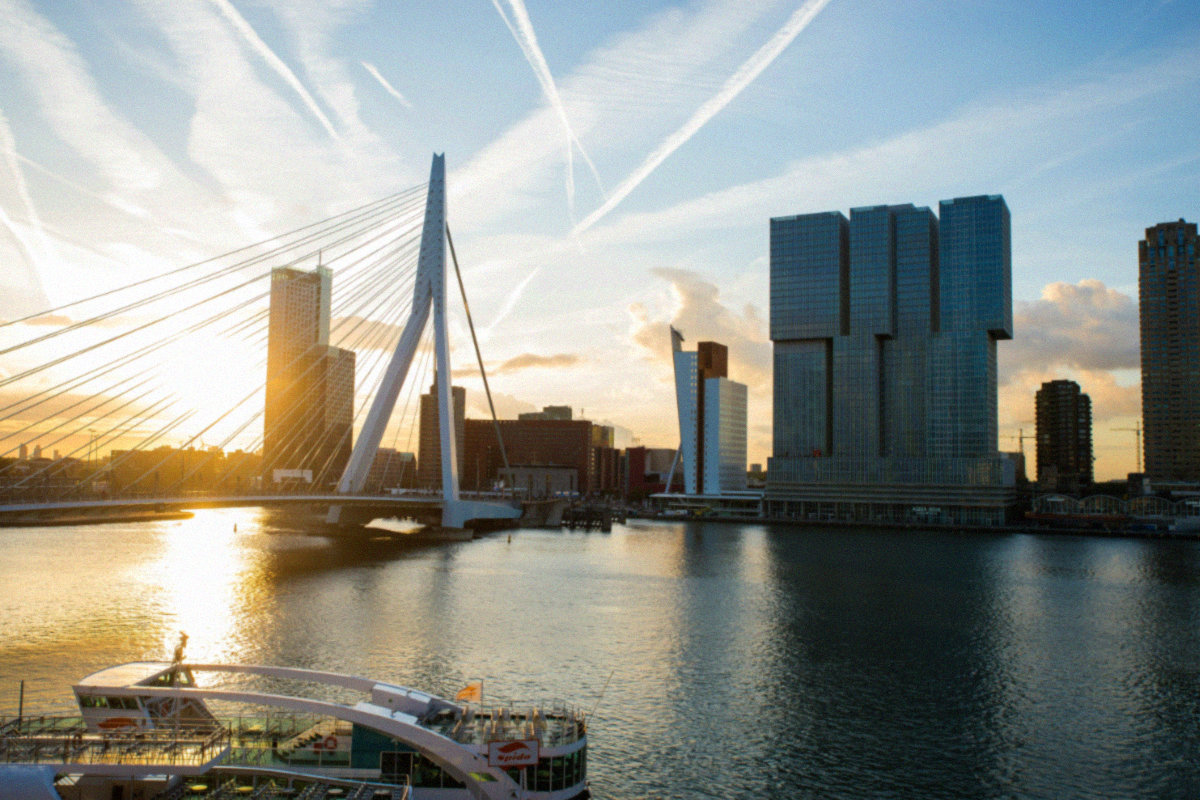
Every major European city has old buildings. Rotterdam has almost none; it was bombed flat in May 1940, and the rebuilding happened fast, in a postwar architectural climate that had stopped being afraid of ambition.
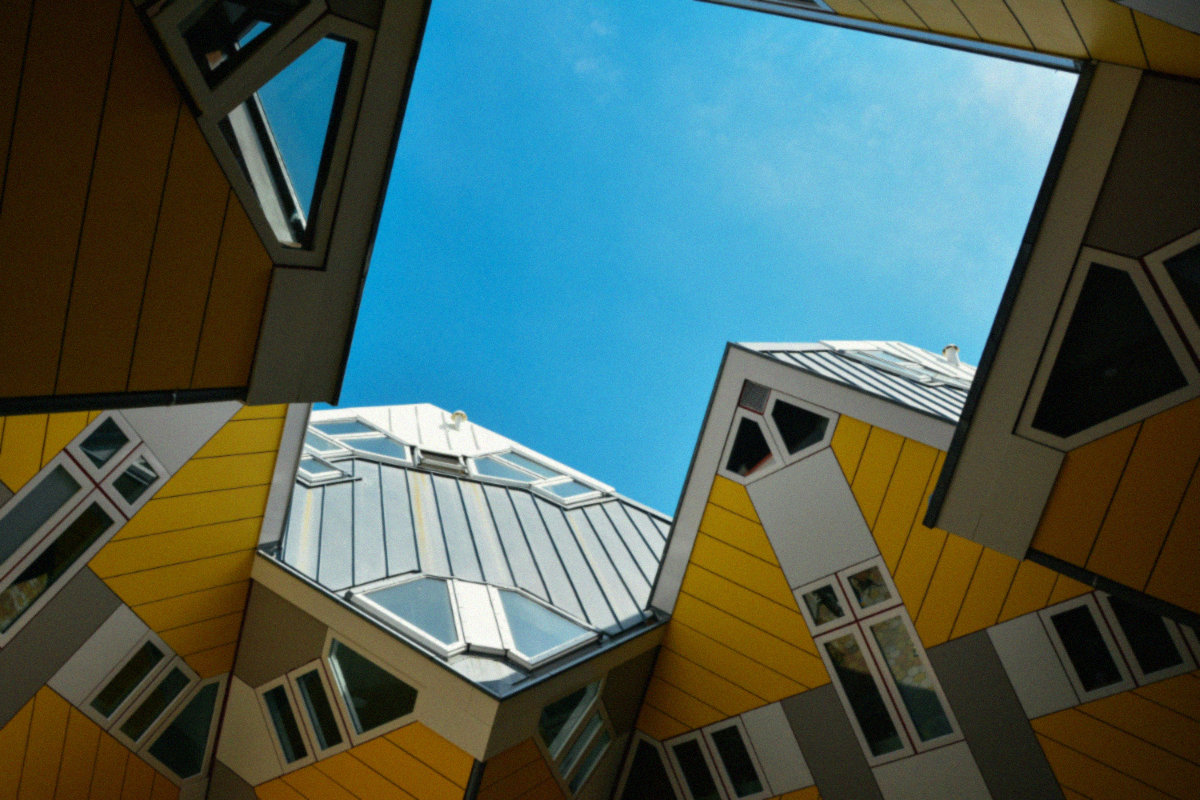
The famous Cube Houses and the giant arched Markthal get the postcards and are worth a five-minute look as you walk past. But do not make the mistake of eating or staying near them.
Instead, look at the Erasmus Bridge (asymmetric, white, and 800 metres long) as a piece of civic infrastructure that doubles as an aesthetic argument for the whole city. Or check out Rotterdam Centraal itself: designed by Benthem Crouwel Architects with an angled steel canopy like a folded wing, proving the Dutch are very good at making functional infrastructure beautiful.
The Food Scene: Market Stalls and Converted Ports
Rotterdam’s port history left it with one of the most genuinely diverse food cultures in the Netherlands: Surinamese, Turkish, Cape Verdean, and Indonesian cuisines that are cooked for local communities, not for tourists.
To see the real scale of this, skip the Markthal and head south to Zuid on a Saturday morning. The Afrikaandermarkt is a multicultural market on Afrikaanderplein with produce crates, fabrics, and the best street food in Rotterdam. It is loud, busy, and completely ignored by tour groups.
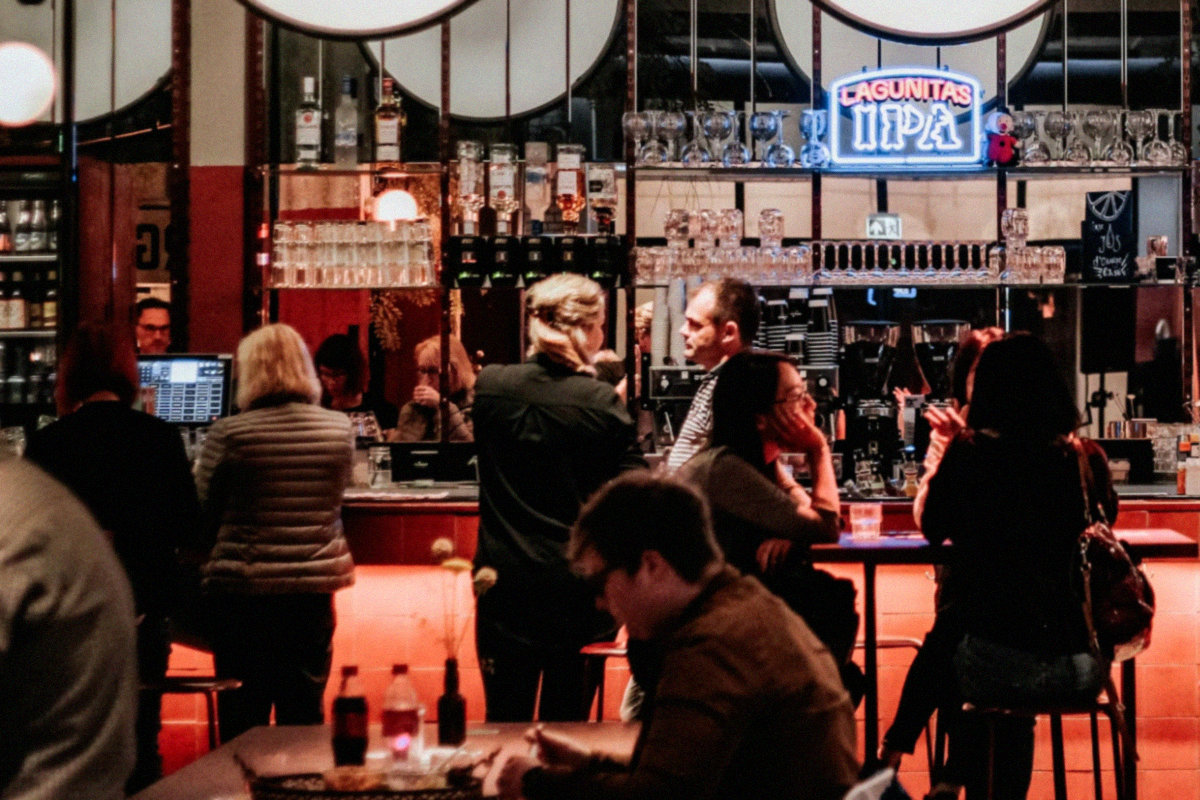
If you want something quieter, cross the footbridge to Katendrecht and find the Fenix Food Factory: a converted warehouse with a craft brewery, a cheese counter, and a coffee roaster under one corrugated roof.
For the creative vanguard, head west to the Keile District in the old fruit port. Here, experimental art space Roodkapje runs underground gigs and exhibitions in a massive industrial warehouse.
Zuid and Noordereiland: The River Escapes
Rotterdam is defined by the Maas river, yet most visitors never actually touch the water.
Down the stairs from the Willemsbrug is Noordereiland. This river island is suddenly a village: quiet quays, ship spotters on benches, and zero tour buses. Walk the full loop around the edge at dusk to see the skyline light up on both sides of the Maas.
For the adventurous, you can even swim in the river off the floating park at Rijnhaven (between Katendrecht and the Wilhelminapier), where a marked swim zone is open from May onward. It has no lifeguards and deep water, which is exactly why the locals love it.
Witte de Withstraat, the cultural artery of the centre, has the restaurant and bar density of a neighbourhood twice its size. The gallery openings spill out onto the pavement. The bars stay open at a reasonable hour. It works.
What Rotterdam Is Not
Rotterdam is not a place to stumble through pretty streets with a gelato. It has grit. Parts of it are still rough in the way post-industrial port cities often are. It does not perform charm in the way Amsterdam has been forced to by decades of mass tourism, which is either a bug or a feature depending on who you are.
It also doesn’t have Amsterdam’s canal belt, the Rijksmuseum, or the institutional weight of those attractions. If those are the non-negotiables, Amsterdam is still the answer.
But if what you are actually looking for is a city that feels alive: one where the restaurants are full of locals, the architecture makes you look up, and you are not navigating around a stag party at every corner, Rotterdam does that better than almost anywhere in Europe right now. It is also the city that minds bad weather least, which is why it made our list of where to go for a European city break this winter.
Rotterdam is one of our live cities. If you want a weekend built around the city’s best architecture, food, and neighbourhoods: specific places, proper routes, the things worth your time, that is what Sotto does.