Where to Go for a European City Break This Winter

The winter city break is the best-value trip in Europe and the hardest one to choose. Flights are cheaper, the good restaurants have tables, the museums are not a queue, and the cities belong to the people who live in them again. The catch is that winter is unforgiving in a way summer never is. In July, almost any European city is pleasant: you sit outside, you walk, the light lasts until ten. In January, a city has to actually be good.
So the question is not which European city is best. It is which cities are better in the cold, which ones merely survive it, and which one suits the specific weekend you have and the specific person you are travelling with. That is a genuinely hard question, and most of what is written about it is a list of Christmas markets ranked by nothing.
Here is a more useful way to think about it, and then the honest version for the four cities in this guide that we know properly.
The one rule that decides a winter trip
Some cities are for looking at. Others have somewhere to be.
In summer that distinction does not matter, because the outside is the venue. In winter it decides everything. A city whose appeal is its streets and its squares gives you a beautiful two hours and then a problem: it is half past four, it is dark, it is wet, and you have five hours to fill before dinner. A city with an indoor life, whether that is bathhouses, covered markets, listening bars, serious museums, or just cafés that expect you to sit for three hours, gives you a trip that works whatever the sky is doing.
Everything below is really a version of that question. Not “is this city nice”, but “does this city have somewhere to put you at four in the afternoon in January”.
Two other things matter more than people expect. Daylight, not temperature. Nobody’s trip is ruined by cold, and plenty are quietly ruined by darkness at three. And dated events, because winter is the one season where the thing you came for has an opening and closing date, and a guide written in March cannot tell you whether it is on the weekend you booked.
Helsinki: built for winter
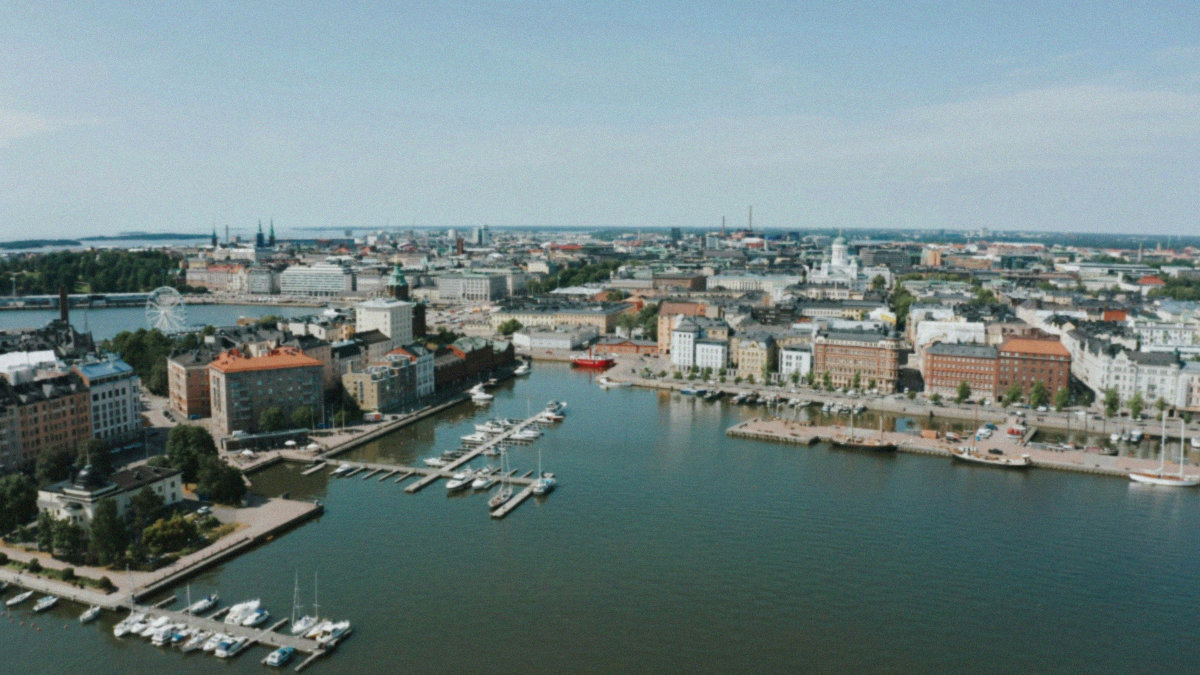
Most cities are worse in winter and are sold to you anyway. Helsinki is the rare one that improves, because its defining ritual only makes complete sense when it is freezing.
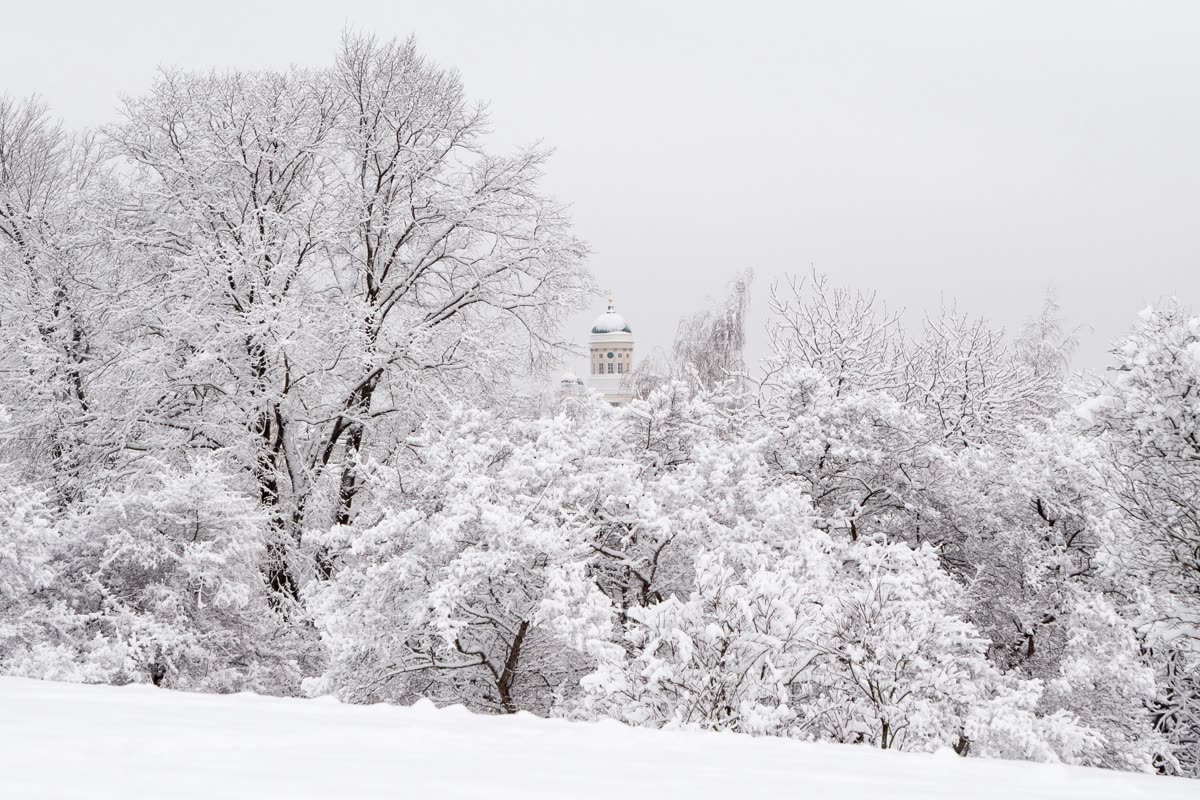
A Finnish public sauna in July is lovely. In February, when you climb out of the heat and lower yourself through a hole cut in the frozen sea, it stops being a nice thing to do and becomes the reason you came. Ice swimming here is not a stunt or a wellness trend, it is a normal thing that normal people do from November onward, and the contrast between the heat and the cold is the entire point of the ritual. We wrote the full guide to which public sauna is which and how to use one, because they are not interchangeable and the choice matters more than anyone tells you.
December has its own soundtrack. Around the holidays the city fills up with Christmas concerts, and the range is very Finnish: everything from Raskasta Joulua (“Heavy Christmas”), a touring show of metal singers belting out the carols, whose Helsinki date this year is 18 December, to soft a cappella choirs in candlelit churches.
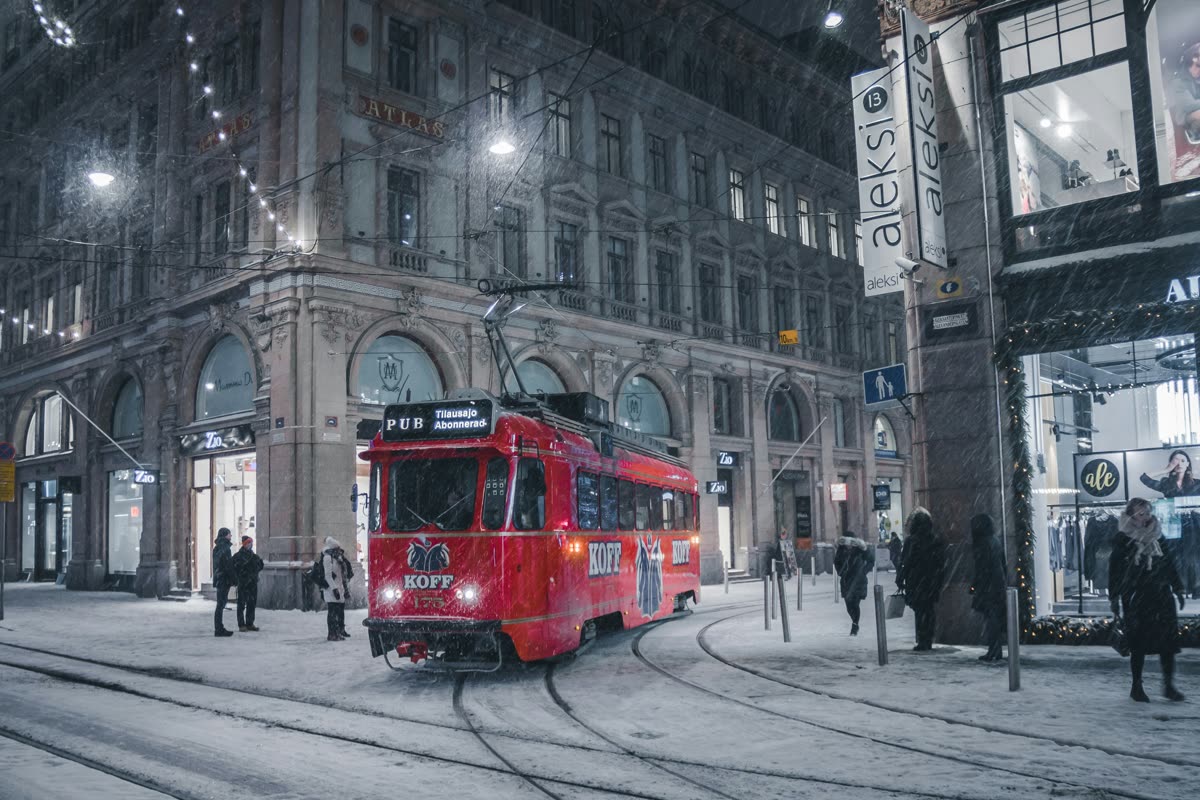
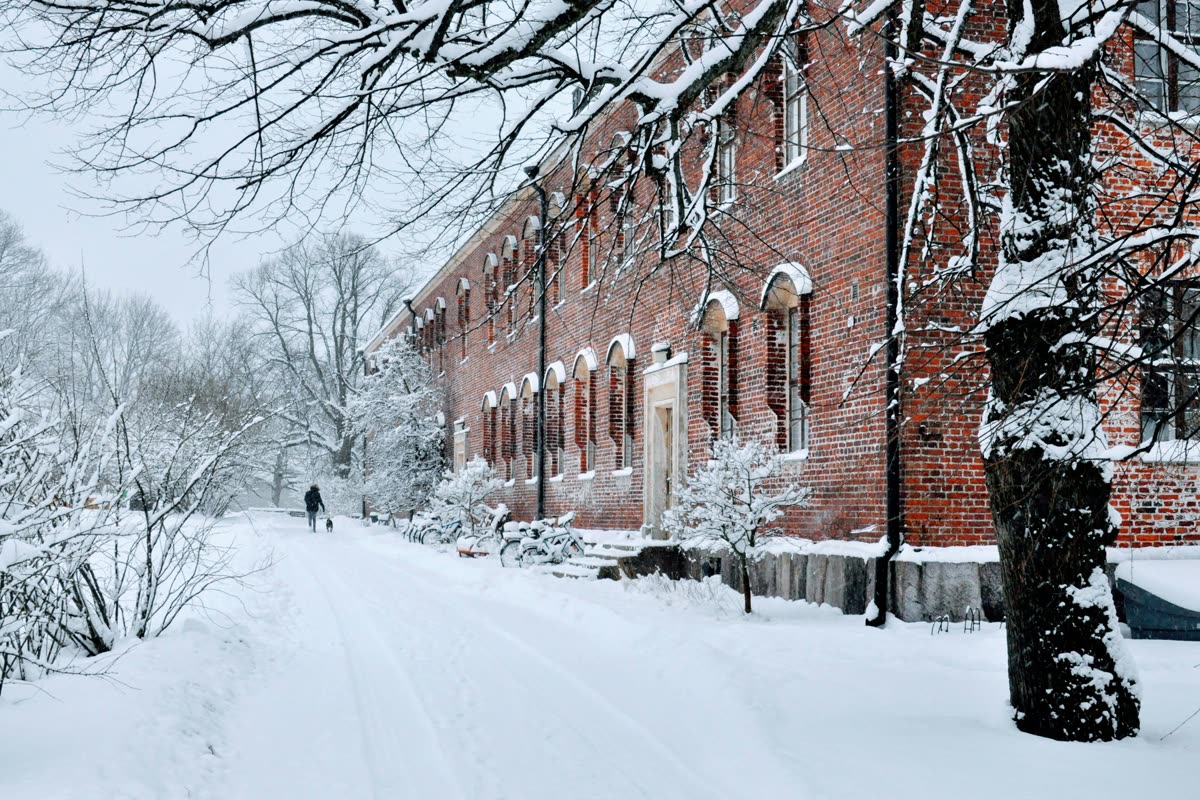
The other winter draw is Lux Helsinki, the city’s light festival, which for the 2026 edition runs eight days from 30 December 2026 to 6 January 2027 and is free to walk around. Ringing in the new year inside a light installation is a strange and very Helsinki way to do it.
Now the honest part, because this is the trade nobody mentions: in December, Helsinki gets around six hours of daylight, and the sun never gets far above the rooftops. If darkness makes you miserable, this is not your trip. If the idea of a dark, cold city with warm rooms in it sounds appealing rather than grim, there is nowhere better, and we have made the longer case for Helsinki separately.
Go here if: you want the trip to feel like genuinely somewhere else, you like the idea of heat and cold as the main event, and the dark does not frighten you.
Prague: the postcard winter
Prague in December is the image most people have in their heads when they think “European city break in winter”, and for once the image is accurate. The Christmas market on Old Town Square runs from 28 November 2026 to 6 January 2027, open from the morning until late in the evening on most days (check the hours around Christmas Eve and New Year before you plan around them), and the square with the tree lit and the Astronomical Clock behind it genuinely is one of the great winter sights in Europe.
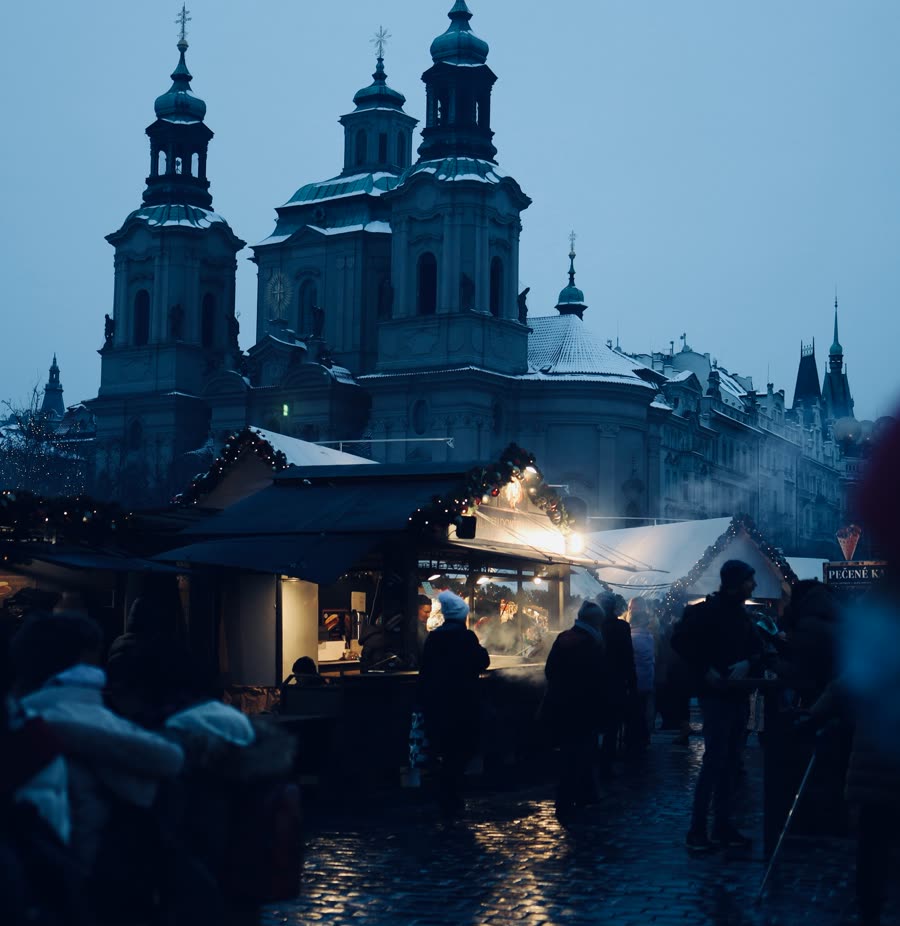
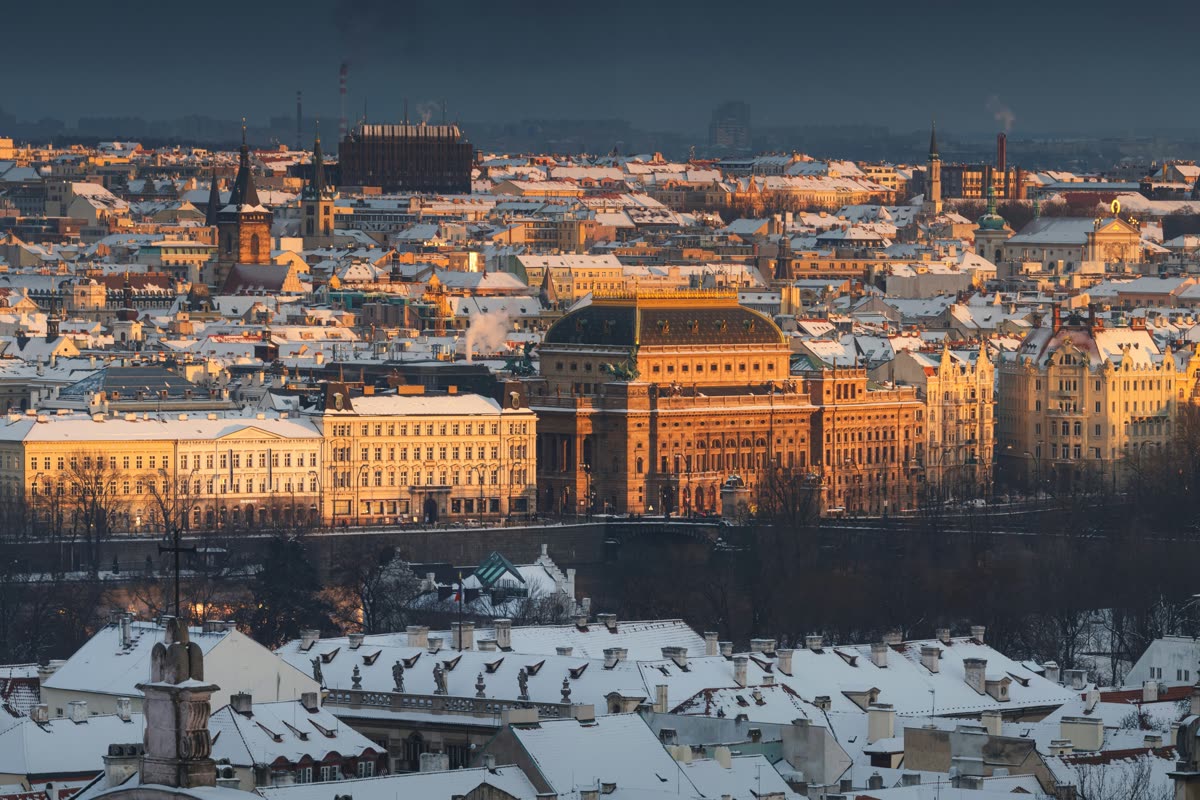
It is also, for the same reason, the single most crowded hundred square metres in the country for six weeks, and the food there is priced accordingly. The markets are the draw and the trap at the same time. The trick is not to skip them, it is to give them the forty-five minutes they deserve and then go somewhere the crowd is not, which in Prague is remarkably easy because the city empties of tourists about ten minutes’ walk in any direction. Our three days in Prague guide is built around exactly that move.
Winter also suits Prague structurally: it is a beer-hall and coffee-house city, so the indoor life is the real life, and the architecture reads better in low cloud than in flat summer sun.
Go here if: you want the classic winter postcard, you are travelling with someone who wants the classic winter postcard, and you would like someone to tell you where to go once you have seen it.
Amsterdam: the (slightly) less busy version
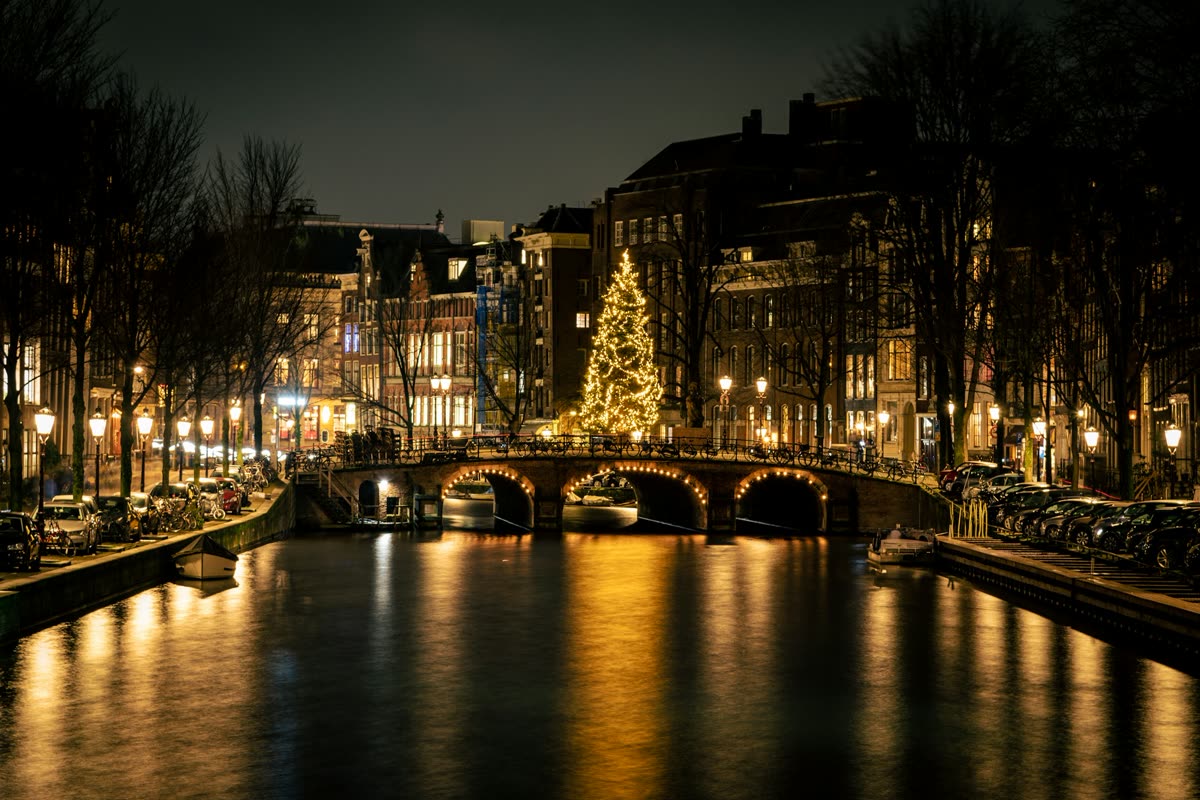
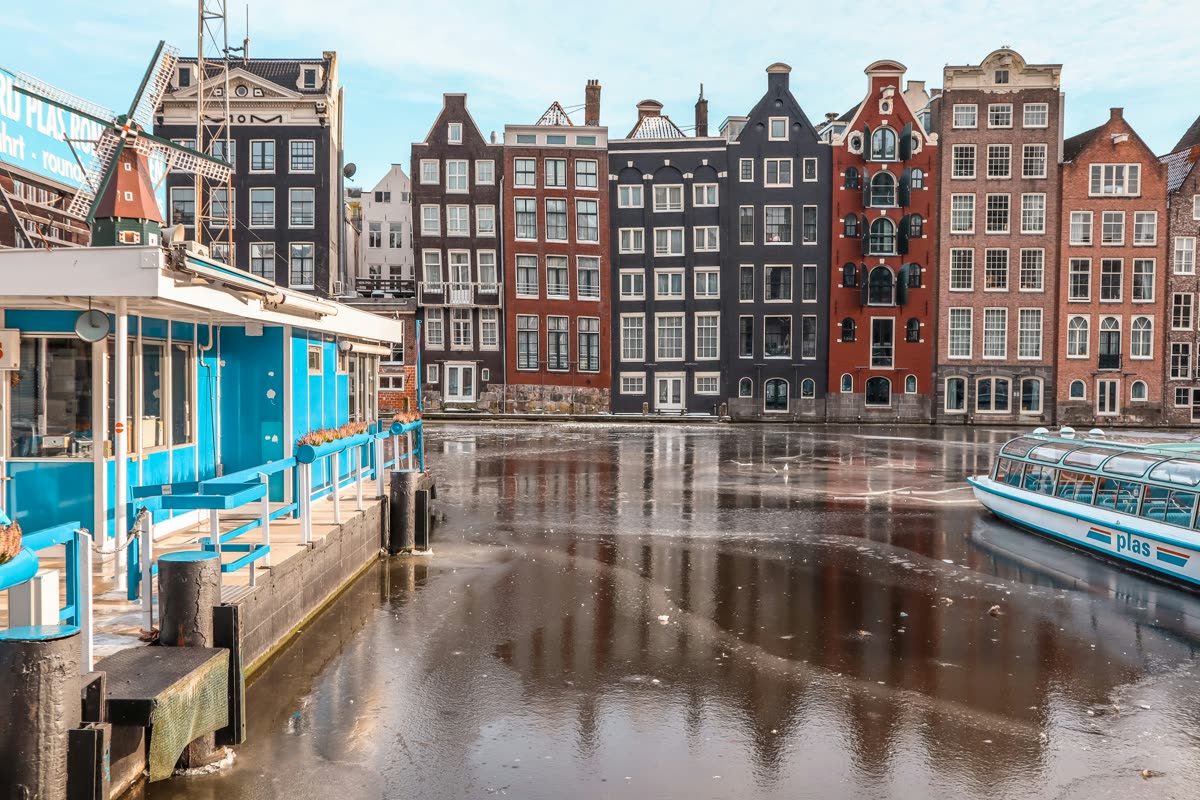
Amsterdam never really empties, but winter takes the edge off. The queues shrink, the canals in fog are better than the canals in sunshine, the brown cafés stop being quaint and start being necessary, and the whole city relaxes in a way that is hard to believe if you have only been in August. If you are lucky, the whole weekend turns gezellig: the Dutch word for that warm, candlelit, nobody-wants-to-leave feeling that has no clean English translation.
The dark season opens loud. Amsterdam Dance Event, the biggest week of the year for electronic music, takes over clubs and venues across the whole city from 21 to 25 October 2026, its 30th edition. If that is your kind of weekend, it is the one to book, and early, because so is everyone else’s.
The quieter anchor is the Amsterdam Light Festival, which for the 2026 edition runs 26 November 2026 to 17 January 2027, with the installations lit daily from 5pm to 11pm. The route is along the canals and the light art itself is free to walk or cycle past, which makes it one of the few genuinely good winter activities in Europe that costs nothing.
The honest caveat: Amsterdam in winter is wet more than it is cold, and a wet day here is a grey, horizontal, unromantic thing. It is a city that rewards having a plan with indoor anchors in it, which in a place with this many museums is not exactly a hardship. If you have already done the centre, three days in Amsterdam the local way points you east and north instead.
Go here if: you have been in summer and did not love it, or you want a first trip with a low risk of a bad day.
Rotterdam: for the adventurous
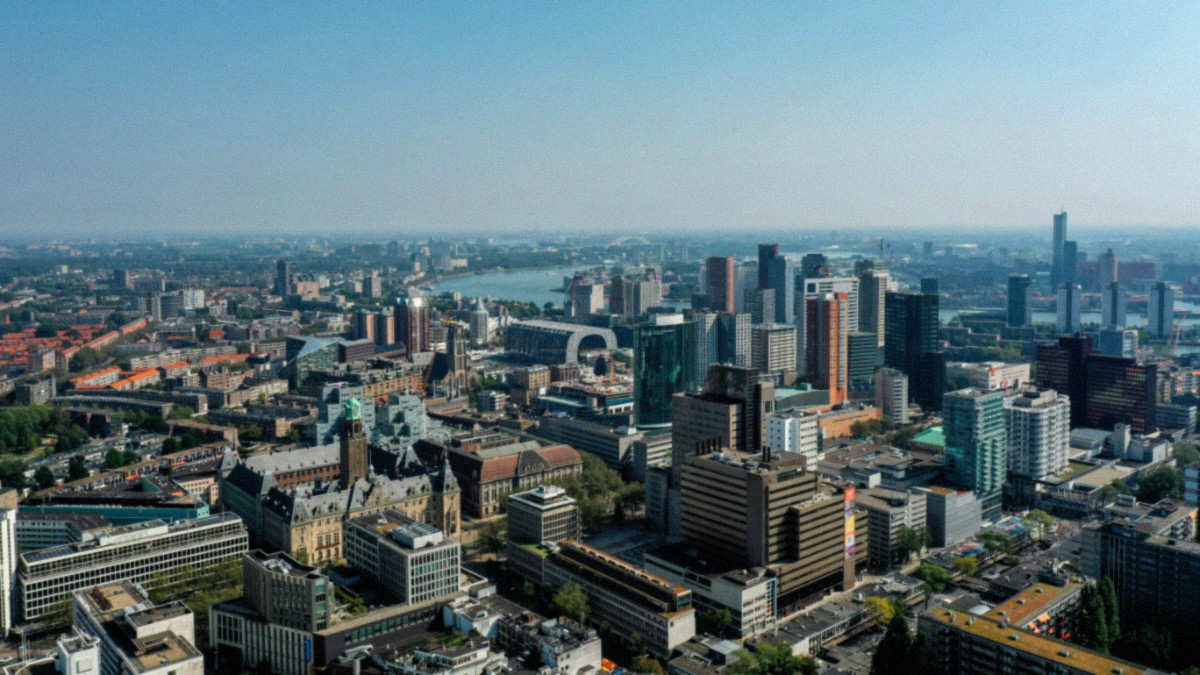
Rotterdam is the pick almost nobody makes, which is exactly why it is worth making. It was rebuilt after the war as a modern city rather than restored as an old one, so it rewards curiosity more than sightseeing, and its best things are buildings you go inside rather than streets you walk down. That also makes it the city that handles winter best.
Start with Fenix, the museum of migration that opened in 2025 in an old harbour warehouse on Katendrecht, a few steps from where the Holland America Line ships carried emigrants across the Atlantic. It is the museum we send everyone to, and the Tornado, a mirrored steel staircase spiralling over the roof, is worth the trip on its own. Afterwards, get a gelato from Granucci in the same building: the family came over from Italy in 1929, which makes it the museum’s whole story in a cone.
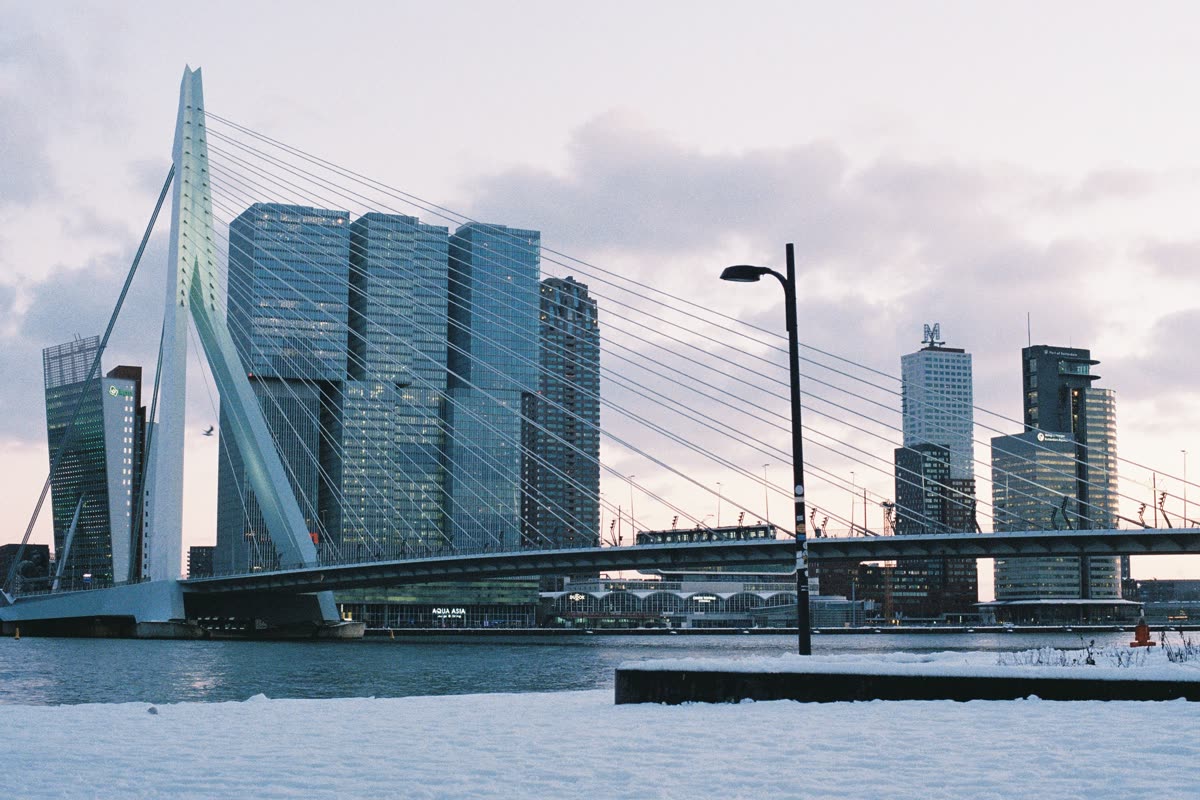
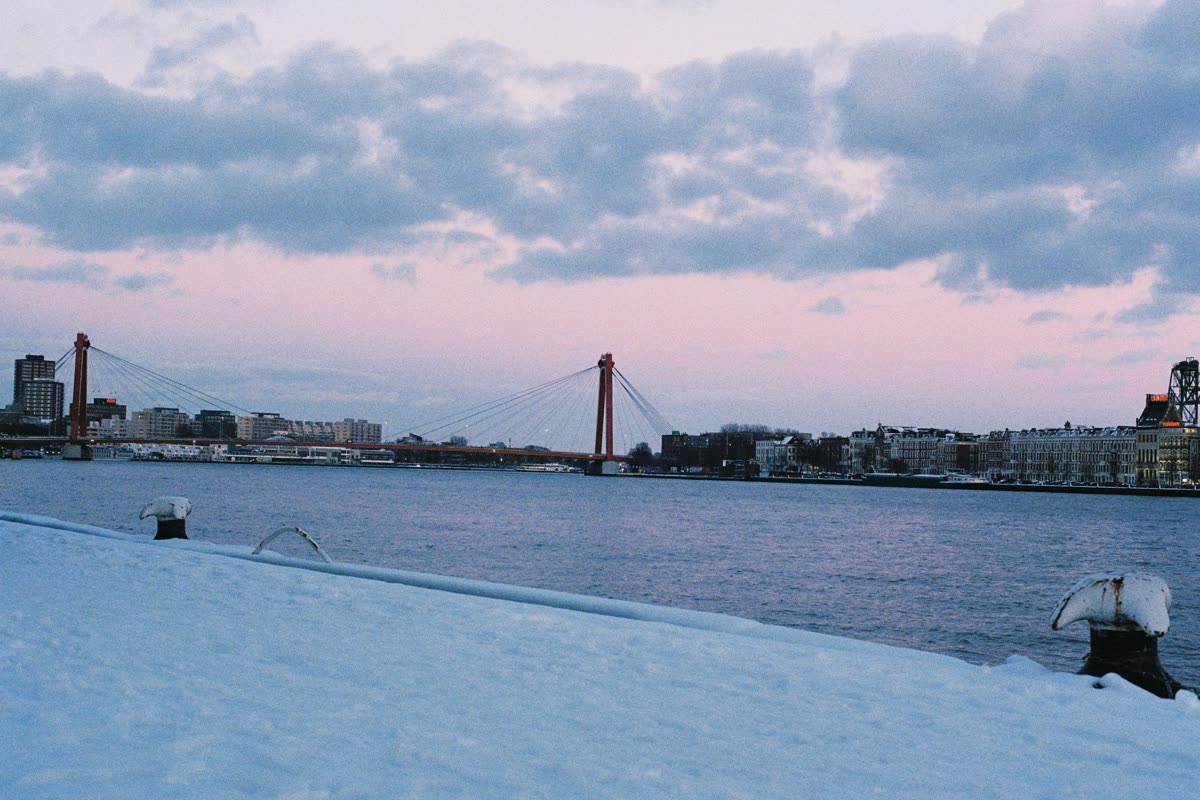
Back across the river, the Markthal is a covered market inside an enormous arch, and the Cube Houses are a five-minute walk from it. If you want more art, the Depot Boijmans Van Beuningen is a mirrored bowl that stores an entire museum’s collection in the open. The main Boijmans museum is closed for renovation, so the Depot is the collection you can actually see.
None of that requires the sky to cooperate. That is the whole argument, and we have made the longer case for Rotterdam over Amsterdam if it interests you.
Go here if: you are travelling with someone who genuinely hates being cold and wet, or you want a city break where a bad forecast does not mean a bad weekend.
The ones we do not cover, and we will say so
Vienna, Tallinn, Copenhagen, Kraków and Ljubljana all make good winter trips, and you will find plenty of people who will tell you which one is best. We are not going to, because we do not have anyone living in those cities (yet!), and a recommendation from someone who spent four days somewhere is not worth more than your own reading.
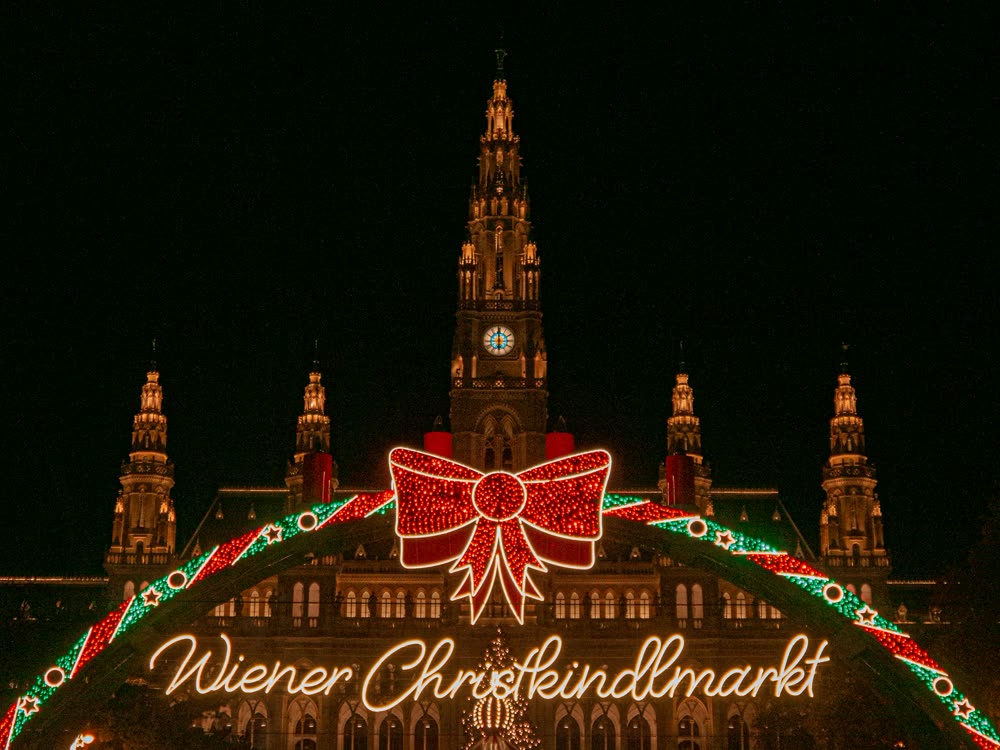
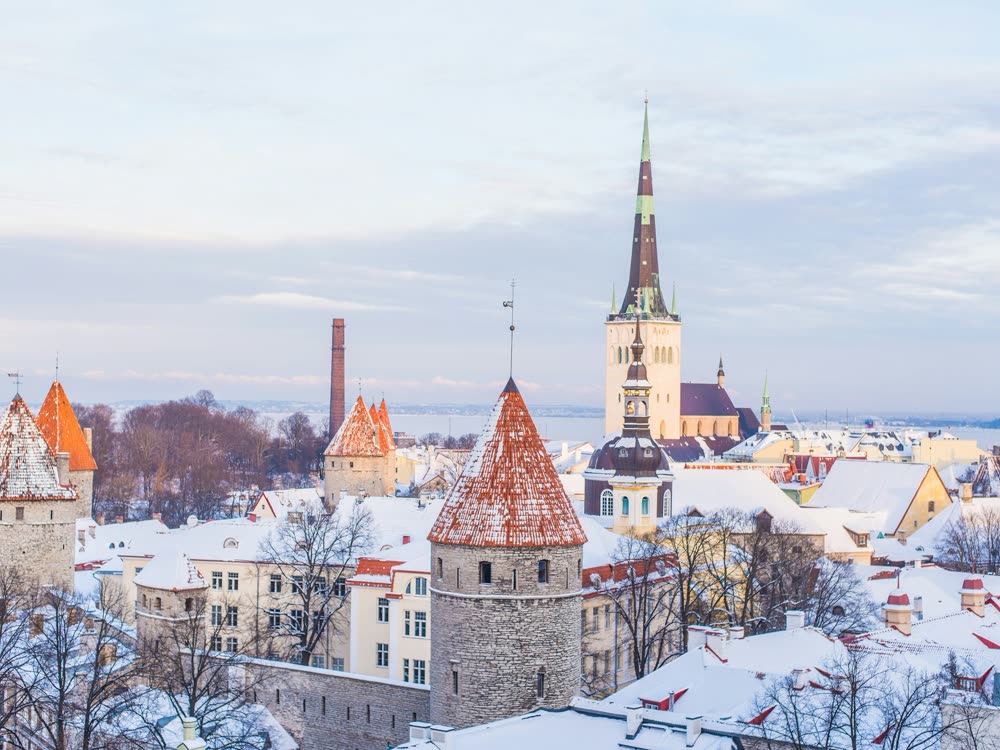
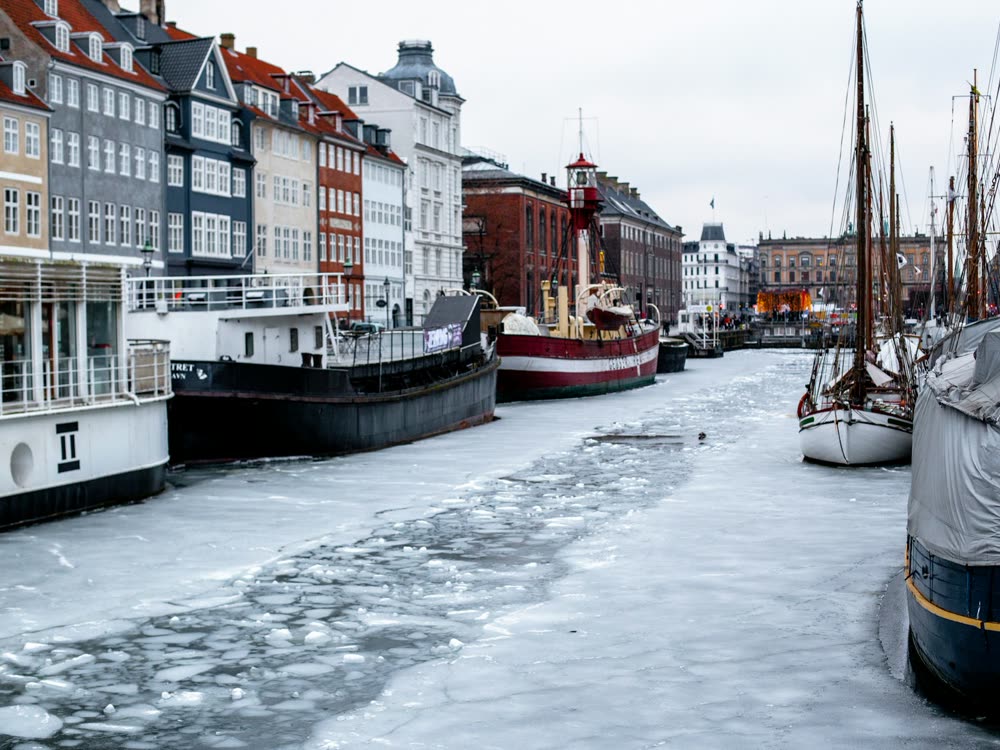
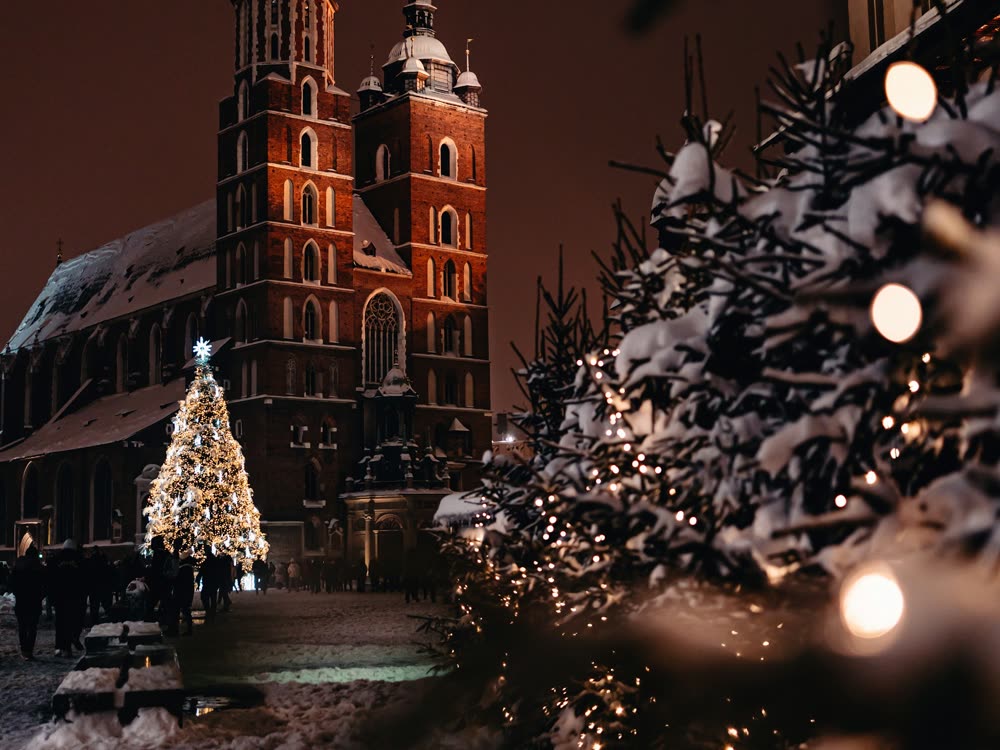
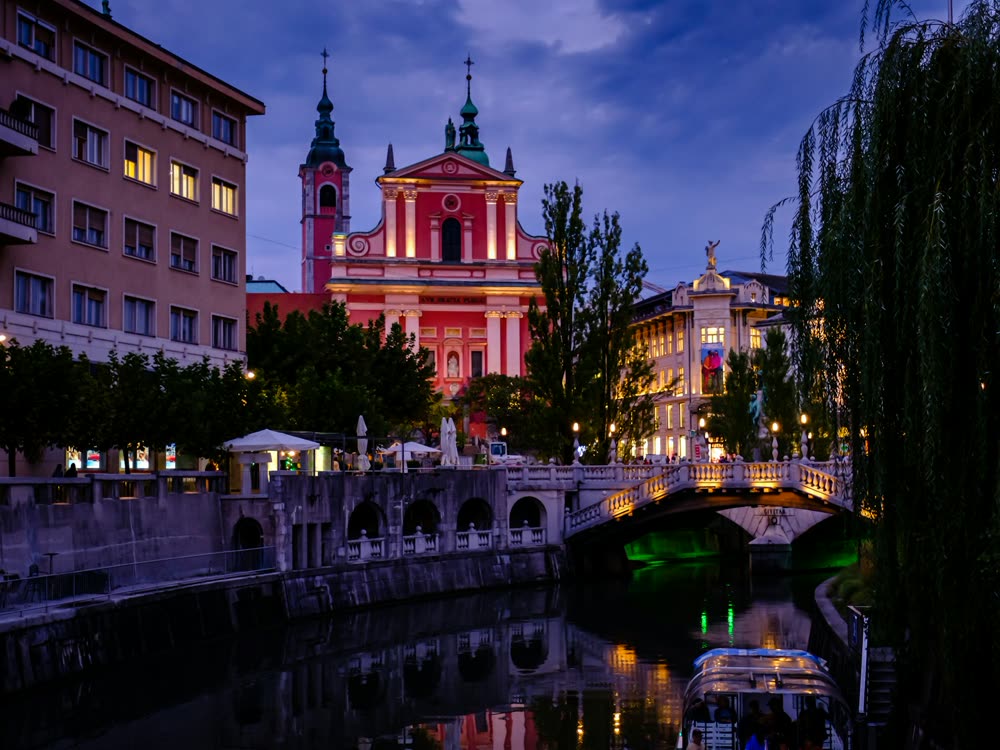
What we can tell you is the filter to apply to any of them. Ask what there is to do indoors that is not shopping. Ask how many hours of daylight you actually get in the month you are going, not in general. Ask whether the thing you are travelling for is running on your dates, because in winter, most of the good things have dates. If a city passes those three, it will probably be a good weekend.
What actually decides your trip
The city matters less than most people think. What matters is whether the weekend is built for the days you booked.
In winter this stops being a nice-to-have. Half the good things are seasonal, the markets and the festivals open and close on fixed dates, opening hours shrink, and plenty of places quietly shut for two months. A guide written in spring cannot know any of that, and a chatbot will confidently tell you about a market that closed on the sixth of January. The gap between “a nice idea” and “a plan” in winter is entirely the gap between general advice and your actual dates.
That is the part a local does for you. You can see a real sample plan to get the idea of what that looks like, or when you know your dates, we will build the weekend around them.
Pick the city that has somewhere to be at four in the afternoon. Check that the thing you are going for is open on the days you are there. Everything after that is detail, and the detail is the part we handle.
Festival, concert and market dates above were checked in September and October 2026 against each event’s own site or the city’s official tourism site. Dates move, so confirm before you book.