How to Plan a Perfect Weekend Getaway in Europe
The European city break is one of the great travel formats. You fly on Friday evening, land in a city you may never have visited, have roughly 48 hours, and fly back Sunday night. Done well, it’s one of the most satisfying travel experiences available. Done badly (with no plan, mediocre food, and the wrong neighbourhoods), it’s expensive and forgettable.
The difference is usually planning. Not lots of it, but the right kind.
Pick the Right City for What You Actually Want
This seems obvious. It’s frequently ignored.
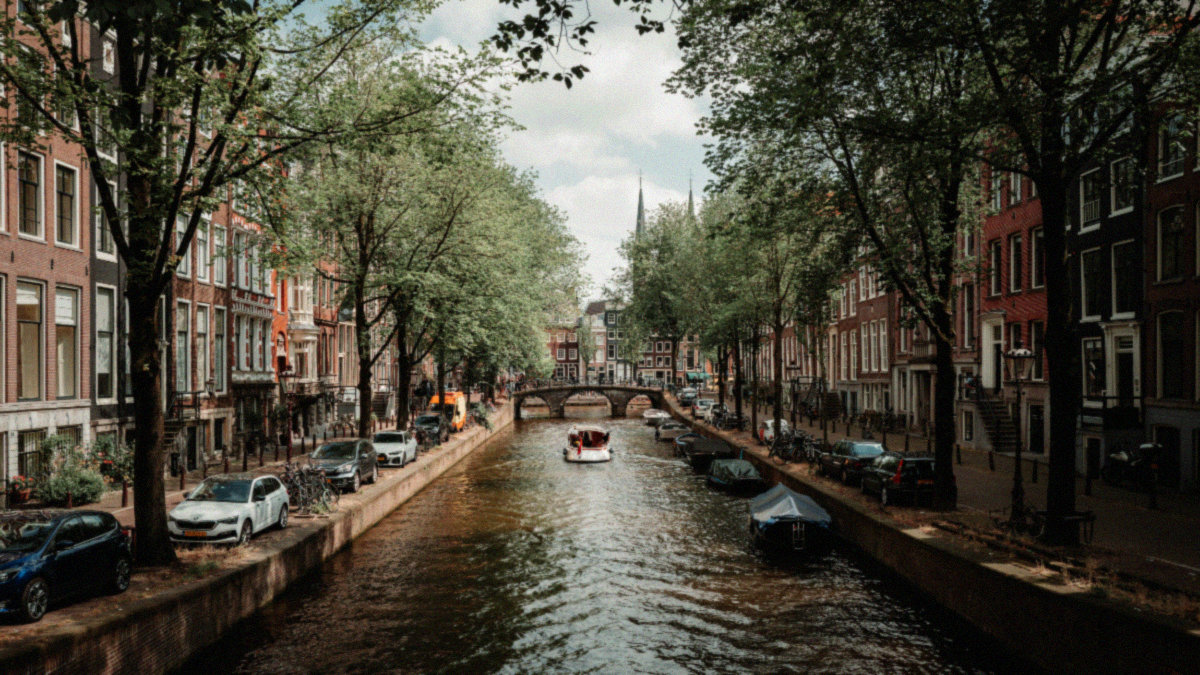
A city break should be matched to what you want from it. Amsterdam if you want canal atmosphere, cycling, and museum culture. Helsinki if you want design, nature access, and fewer crowds. Barcelona if you want heat, architecture, and late nights. Copenhagen if you want food-first, clean design, and a city that functions extraordinarily well.
The mistake is picking a city because it came up in a conversation, or because flights were cheap, without interrogating whether the character of the city matches your actual intentions. A weekend in Prague during peak season when you hate crowds is a waste of a good trip.
Start with: what do I want this weekend to feel like? Then find the city that delivers that.
Book the Flights at the Right Moment
European budget airlines have turned city breaks into a mainstream format, but the pricing model requires some understanding to use well.
Booking 6-10 weeks out typically gets you the best prices. Last-minute can work if you’re flexible on destination and dates; otherwise you’ll pay the premium. Tuesday and Wednesday departures are almost always cheaper than Friday evening (the city break peak slot). Saturday morning return instead of Sunday evening saves money and adds a half-day.
If flexibility matters more than destination, work backwards from cheap flight options. The cheapest Friday evening flight from your home city will lead somewhere interesting more often than you’d expect.
The Accommodation Decision
For a city break, location matters more than price. The difference between a well-located budget hotel and a cheap hotel a 25-minute tram ride from the centre isn’t small: you’ll spend your first and last hours of each day in transit, and you’ll return to the room more tired.
The ideal: walking distance from the area you most want to explore, close to a reliable transit hub for the airport journey. Spending an extra €30/night to be in the right neighbourhood typically costs you nothing once you account for the time and transport you save.
Short-term rentals (Airbnb etc) work well for city breaks if you want a kitchen and more space. The trade-off is you lose the hotel’s local knowledge: a good concierge or receptionist is worth something.
The Planning Depth Trap
There’s a version of city break planning that becomes its own hobby. Building the perfect day-by-day itinerary, saving hundreds of map pins, reading every review on every restaurant. It’s satisfying to plan. It’s often counterproductive in the field.
Over-planned weekends tend to collapse at the first deviation: a restaurant is full, it’s raining on the day you planned the outdoor market, you’re more tired than expected on Saturday morning. The scaffolding falls and you’re left scrambling.
Better structure: know three to five places you must visit or eat at (book in advance if queues are an issue). Know broadly which area you’ll spend each half-day in. Leave the rest open to discovery.
The best city break moments are usually unplanned: the café you ducked into out of the rain, the street that was prettier than anything on the map, the local you ended up talking to. You need slack in the schedule for those to happen.
The Food Strategy
Food is usually the most memorable part of any city break, and most people underprepare for it.
Book at least one dinner in advance. The best restaurants in any European city need reservations, often weeks ahead. If you leave this to the evening of your visit, you’ll end up in the tourist-trap places near the main square because they’re the ones with tables.
Have one breakfast properly. A good market hall, a proper local bakery, a neighbourhood café: experiencing the morning food culture of a city tells you more about it than almost anything else.
Be willing to eat where locals eat. This sounds like generic advice but has a practical implication: walk away from anything with photographs on the menu or a multilingual menu board out front. These are reliable indicators of a place optimised for tourist footfall rather than food quality.
Don’t overplan lunch. Lunch should be opportunistic: a market stall, a bakery, something you pass and decide looks good. Save the reservation slots for dinner.
What to Actually Do With 48 Hours
The most common mistake is trying to see too much. A city break is not a sightseeing tour. You can’t do the Rijksmuseum properly and the Van Gogh and three neighbourhoods and four restaurants in two days, not without everything feeling rushed and nothing feeling memorable.
Choose a depth over breadth. Pick one or two things you’ll do slowly and well. Walk one neighbourhood properly rather than five quickly. Eat at two genuinely good restaurants rather than seven decent ones. Give yourself space to sit somewhere and just exist in the city.
The weekend where you had one extraordinary meal, walked a neighbourhood until you knew it, and sat on a canal for an afternoon is more satisfying than the weekend where you ticked everything.
The Practical Layer
- Book museum entry in advance: the major museums in popular European cities have real queues. Booking online takes five minutes and saves you two hours.
- Get a transit card on day one: day-two-you will thank day-one-you for this.
- Check what’s open. Museums and markets often have one closure day per week. Verify before planning around them.
- Download offline maps. Not everything has signal when you need it.
- Check the weather and plan adaptable days. The indoor plans and outdoor plans should be known before you need to switch between them.
A well-planned 48 hours in a European city can be genuinely transformative: the kind of weekend you talk about for years. The bar is not that high: it just requires the right city, a few good reservations, and enough structure to navigate without enough to constrain.
The hardest part, usually, is finding the right local knowledge. That’s the variable that separates a good trip from a great one.